

We Make Everything better™
Precision Machining
Engineered
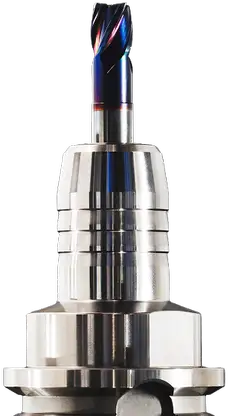




LeanWerks is an ITAR registered precision CNC machine shop; certified to AS 9100D, ISO 9001 by NSF-ISR. We are NIST SP 800-171 Compliant, and expect CMMC L2 compliance by Q4 2026. We specialize in hard materials, complex castings, and forgings. From aerospace manufacturing and industrial automation to defense systems development and critical valve applications. We deliver engineered manufacturing solutions with close-tolerance machining capabilities to the world’s most advanced industries.
ENGINEERED MANUFACTURING SOLUTIONS FROM PROTOTYPE TO PRODUCTION QUANTITIES
Customized
Manufacture, assemble, test, package, and deliver your products in a way that exactly meet your needs.
FROM CONCEPT TO COMPLETION
Engineer your products then take them from prototype to production.
CERTIFIED PRECISION
Our close-tolerance precision CNC machining capabilities are certified to meet or exceed AS 9100D and ISO 9001:2015 quality standards.
SMALL RUNS
Machine in small lots with frequent deliveries so you don’t have to tie up cash with excess inventory.
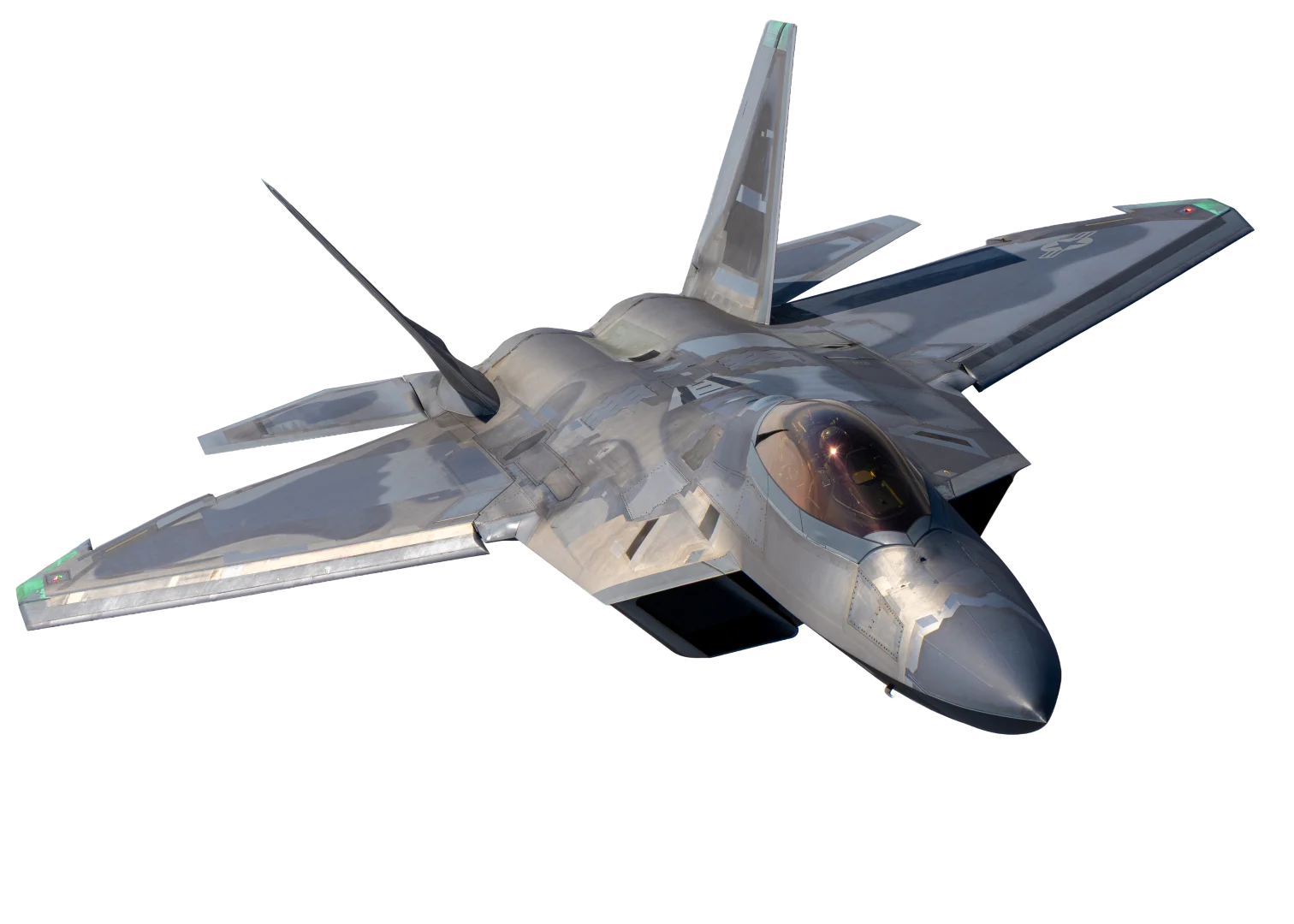
our capabilities
Innovative ENGINEERED Manufacturing Solutions for Cutting-Edge Industrial Applications
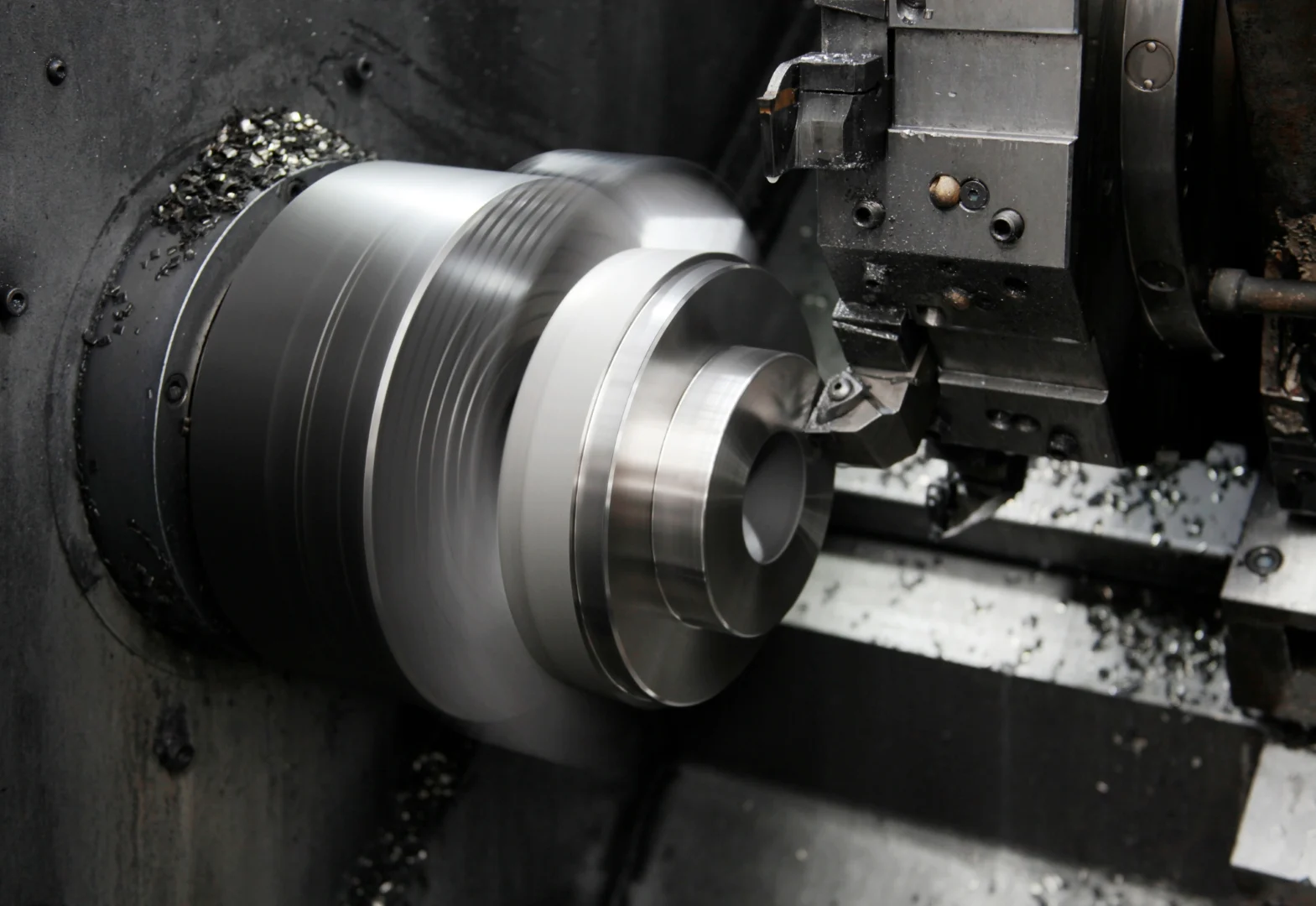
CNC MACHINING
LeanWerks provides advanced CNC machining services designed for complex, high-precision components with repeatable results. Our multi-axis capabilities support intricate geometries and tight tolerances, while our engineered machining processes ensure consistency across ongoing production. We focus on stable, controlled manufacturing that reduces variability and supports long-term agreements, recurring orders, and program-based work where reliability is critical.
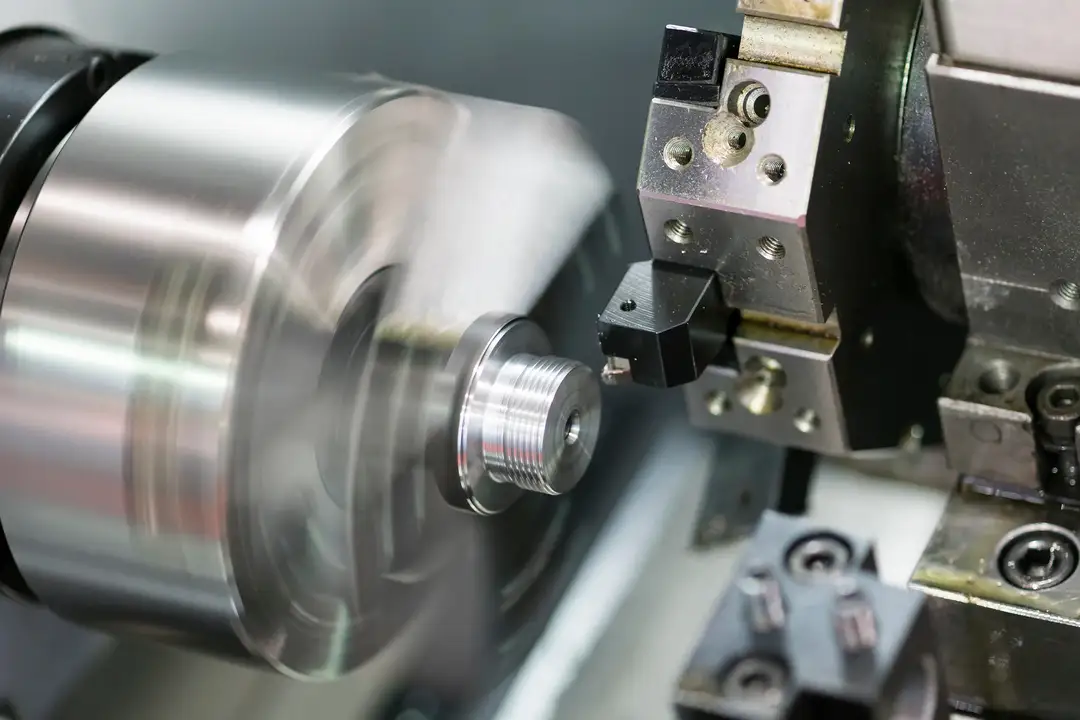
CNC TuRning
Our CNC turning capabilities are optimized for cylindrical components requiring high concentricity, fine surface finishes, and dimensional consistency. By applying an engineered approach to tooling, programming, and inspection, we ensure repeatable results across production runs. This makes LeanWerks an ideal partner for components with ongoing requirements, especially in applications where precision and long-term reliability are essential.
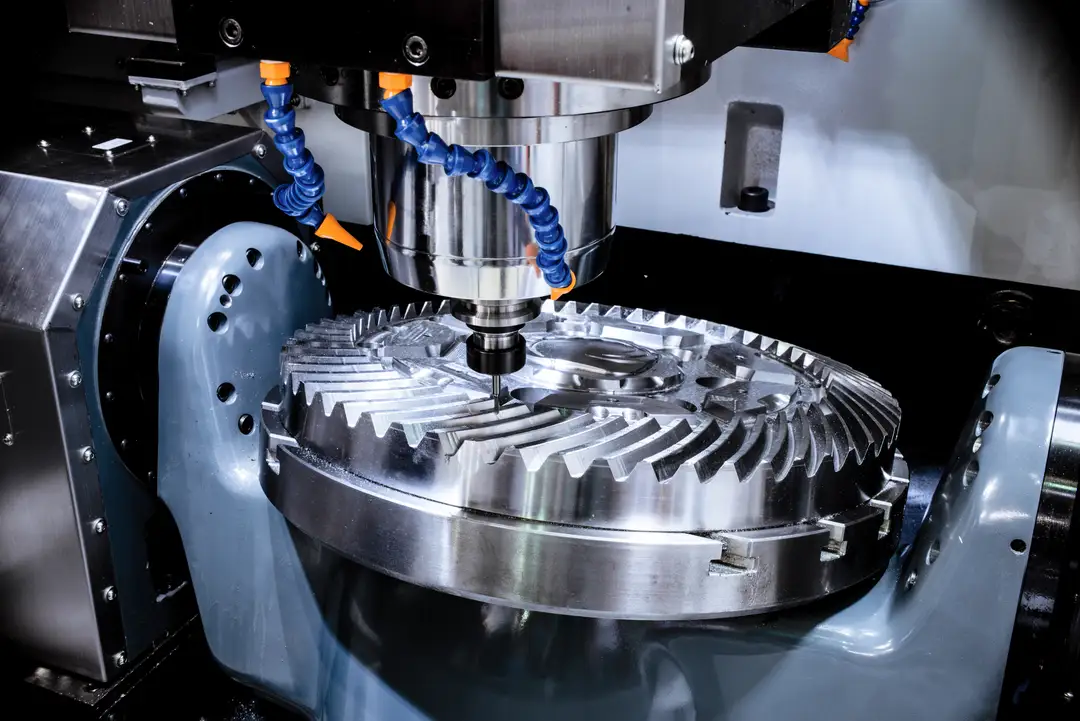
CNC milling
LeanWerks offers CNC milling services for complex geometries, detailed surface profiles, and high-specification parts. Our process-driven approach ensures that each component is machined with precision and consistency, regardless of production volume. Through engineered machining strategies and rigorous quality control, we support repeat manufacturing for program-based applications where accuracy and stability are non-negotiable.
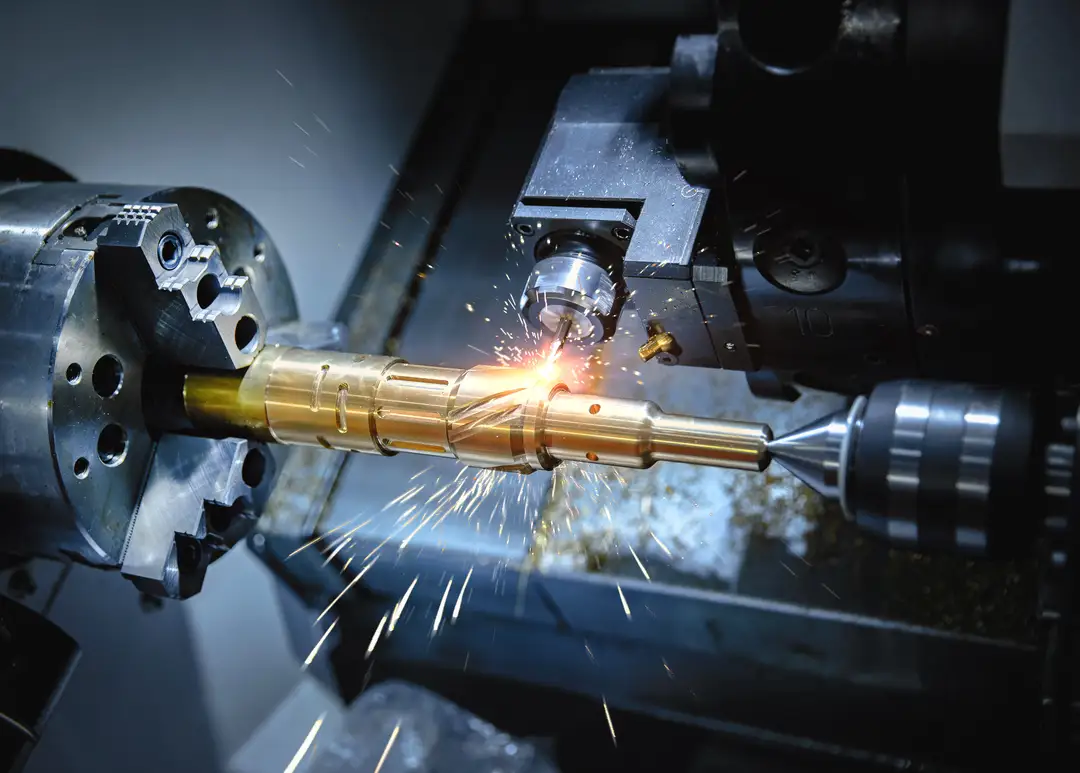
precision machining
Precision machining at LeanWerks is defined by process control, repeatability, and strict adherence to specification. We produce components with micron-level tolerances using engineered CNC machining workflows that minimize variation and ensure consistent outcomes. Our focus is on supporting long-term production needs, where maintaining dimensional integrity across every run is essential to performance and reliability.
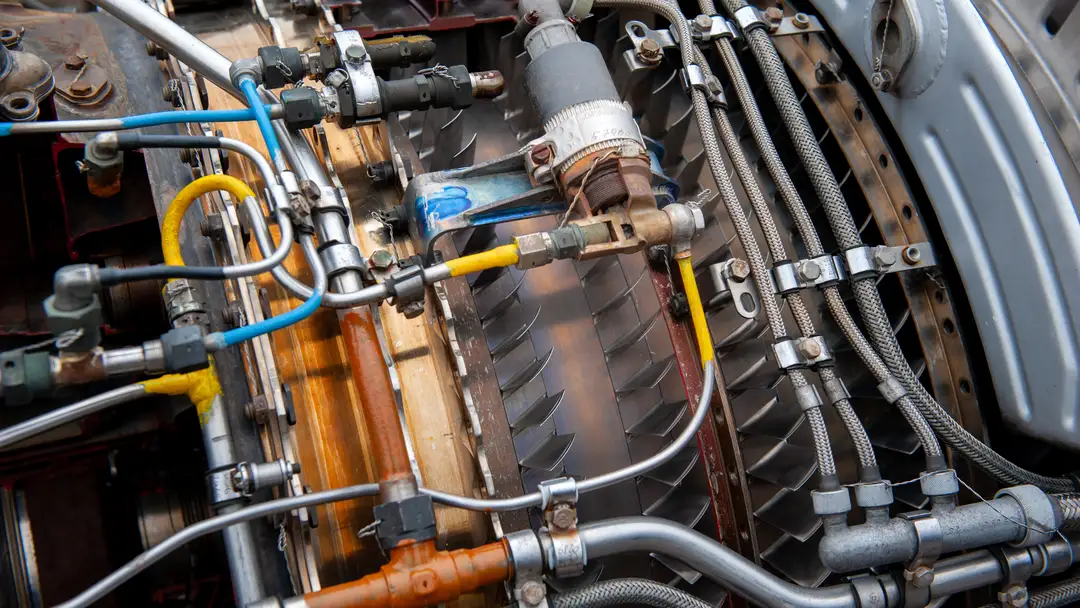
Assembly & Testing
Our assembly and testing capabilities at LeanWerks allow customers to receive fully integrated, ready-to-install components. We follow structured work instructions, controlled processes, and defined testing protocols to ensure every assembly meets performance requirements. This integrated approach reduces supply chain complexity and supports ongoing production programs with consistent, verified results.
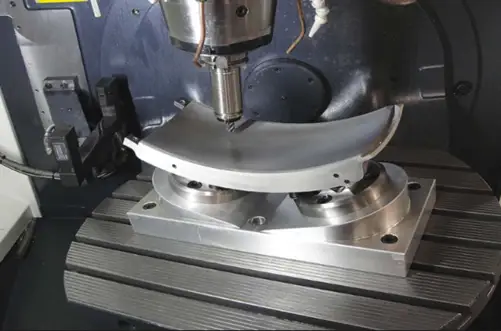
Machined castings & Forgings
LeanWerks specializes in machining castings and forgings into finished components that meet strict performance standards. Our engineered CNC machining processes account for material variability, ensuring consistent results across repeat production. This capability is critical for applications requiring strength, durability, and long-term reliability, particularly in mature products, MRO, and ongoing program work.
made in the usa
precision machining


industries we serve
Your Partner Across Every Sector

Aerospace
Supporting critical aerospace programs with precision-machined, high-quality components built for extreme repeatability, full traceability, and essential long-term production stability.

Defense
Delivering consistent, high-quality precision-engineered components for critical defense programs that have strict requirements and ongoing manufacturing demands.
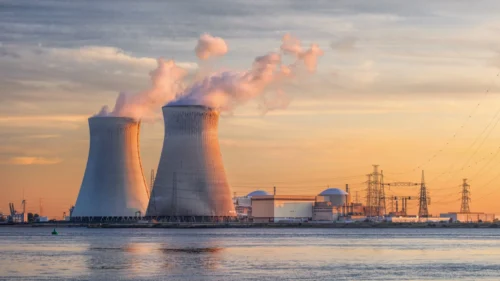
nuclear
Providing reliable CNC machining solutions for nuclear applications where explicit precision, process control, and manufacturing consistency are critical for long-term success.

space
Producing high-performance components for all aerospace applications, where these components are subject to tight tolerances and repeat manufacturing is crucial.
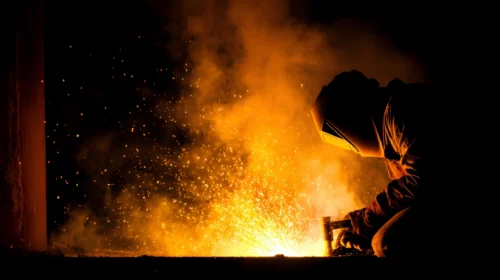
FOUNDRIES
Partnering with foundries, we specialize in precisely machining cast components, transforming them into reliable finished parts that consistently achieve exceptional standards and repeatable, accurate results.
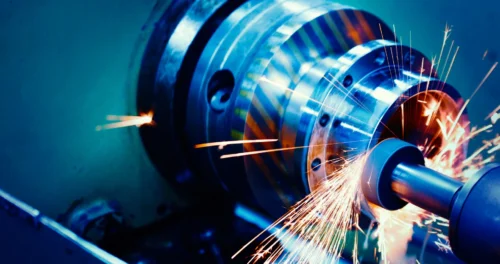
hard materials
Our team machines high-strength, wear-resistant materials using engineered processes that ensure long-term durability and precision that always meets your expectations.

better quality
certified excellence in every component
What good is a precision CNC machined forging or casting if it doesn’t arrive on time? Or what if the prototyping process blows your budget? Or isn’t supported with expert mechanical engineering and quality customer service that you can depend on? Every aspect of our precision manufacturing operation has been pulled apart, dissected, analyzed and put back together for the sole purpose of making parts better. Our streamlined production processes have made it possible to lower costs, increase quality, and improve scheduling reliability.
AWARDS & ACHIEVEMENTS
JOIN OUR TEAM
Build Your CNC Machinist Career with Purpose
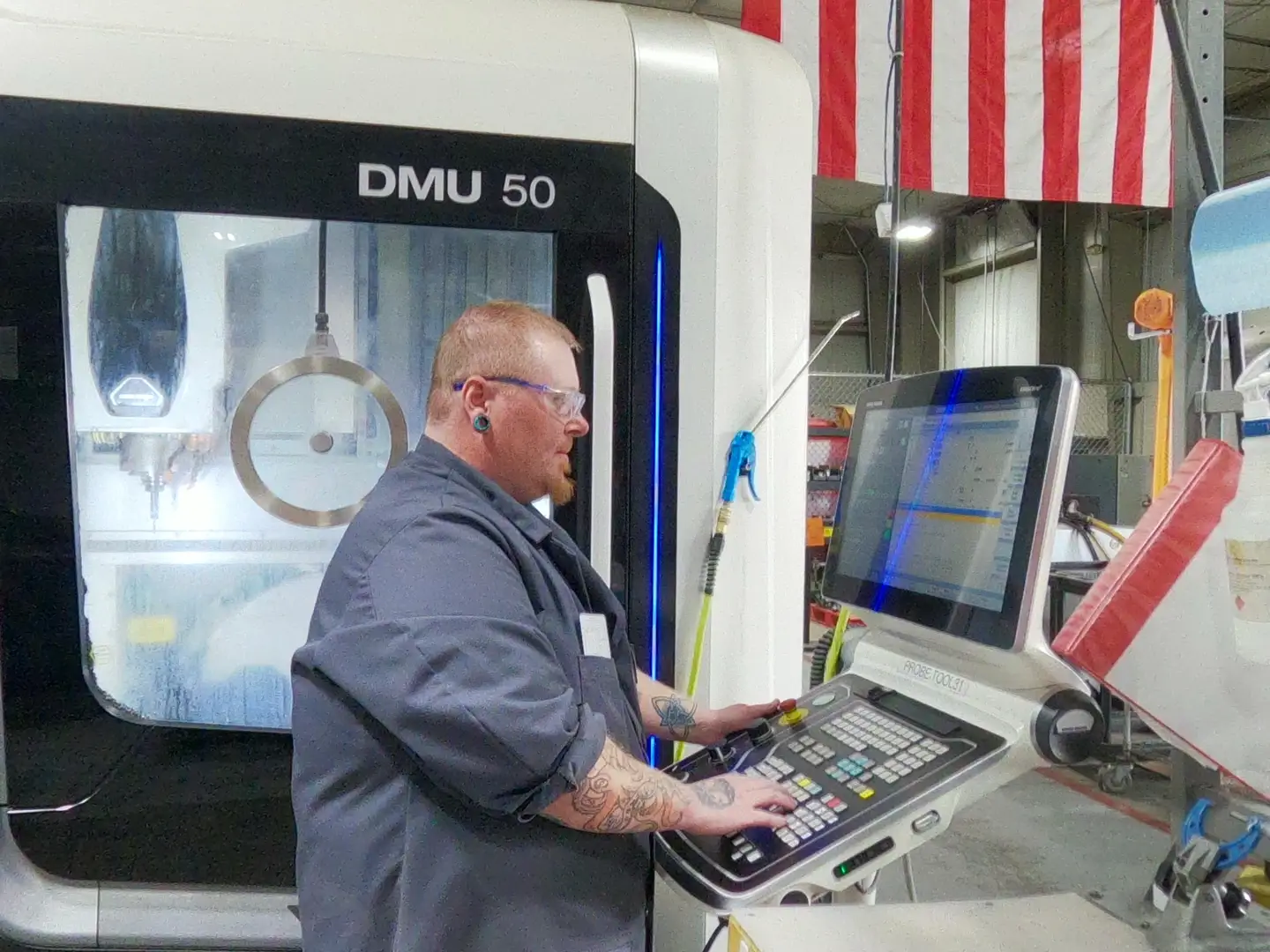
Join a team focused on precision, process, and performance. At LeanWerks, you will be part of a culture that values accountability, continuous improvement, and long-term success. We are always looking for individuals who take pride in their work and want to contribute to high-performance manufacturing. Whether on the shop floor or supporting operations, every role plays a part in delivering consistent, repeatable results for our customers.
Advanced CNC technology access
Precision-focused craftsmanship
Continuous skills development
Culture of accountability
Explore opportunities to grow your skills, work with advanced CNC technologies, and be part of a team built around discipline and craftsmanship. If you would like to learn more about our job opportunities, reach out today.
frequently asked questions
Project Support & Common Inquiries
What specific quality certifications does LeanWerks hold?
LeanWerks is ITAR registered and holds dual certifications in AS9100D and ISO 9001:2015 by NSF-ISR. These rigorous standards ensure that our precision machining processes meet the high-level quality and traceability requirements essential for aerospace and defense.
What types of materials are you experienced in machining?
We specialize in hard materials, complex castings, and forgings. Our engineered processes are optimized for high-strength, wear-resistant materials, ensuring that even the most challenging alloys are machined with the precision and durability required for extreme environments.
Do you provide support for ongoing production programs?
Our business model is built for stability and reliability in long-term agreements. We focus on controlled manufacturing that reduces variability, making us an ideal partner for recurring orders and program-based work where consistency is required over years.
Do you offer assembly and testing services?
Beyond machining, we provide fully integrated, ready-to-install components. Following structured work instructions and defined testing protocols, our assembly team reduces your supply chain complexity by delivering verified, high-performance assemblies that are ready for immediate installation.
How do you manage the variability in castings and forgings?
We specialize in transforming raw castings and forgings into finished parts. Our engineered CNC processes specifically account for material variability, ensuring that the final components meet strict performance standards and maintain integrity across every repeat run.
What makes your “engineered machining” approach different?
Unlike standard shops, we dissect and analyze every aspect of production to make parts better. Our streamlined processes lower costs and improve scheduling reliability, ensuring your precision-machined components arrive on time and within your specific budget requirements.
How do you ensure schedule reliability for large programs?
Through analyzed production workflows and a culture of accountability, we have optimized our scheduling to be as precise as our machining. We focus on eliminating bottlenecks to ensure that your long-term production needs are met consistently.
Have more questions? Send us a message.
PRECISION ENGINEERED RESULTS
From Blueprint to Breakthrough
-
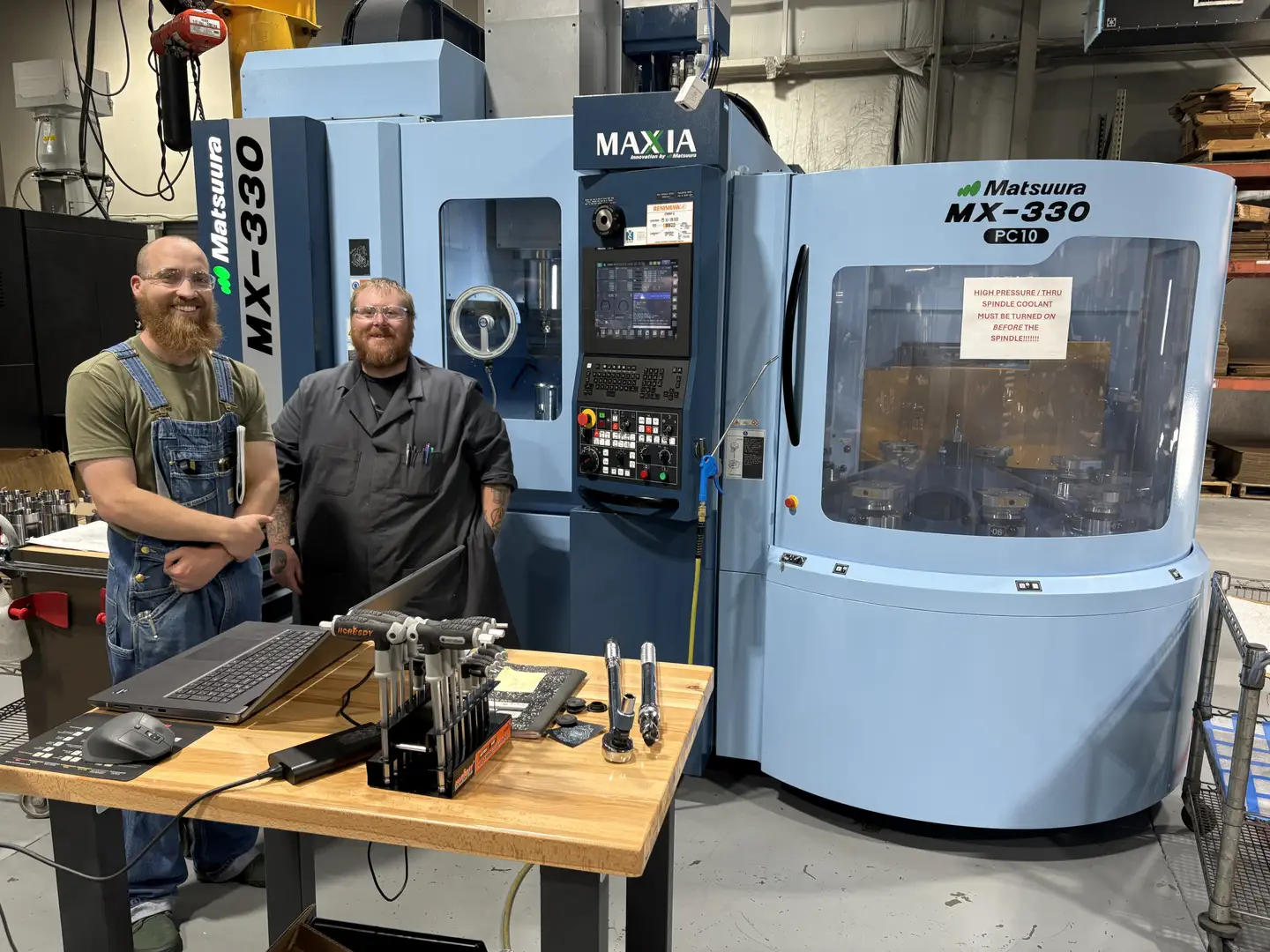
Why LeanWerks Invested in Automated 5-Axis Manufacturing
More Details: Why LeanWerks Invested in Automated 5-Axis ManufacturingAt LeanWerks, we believe manufacturing excellence is built through continuous…
-
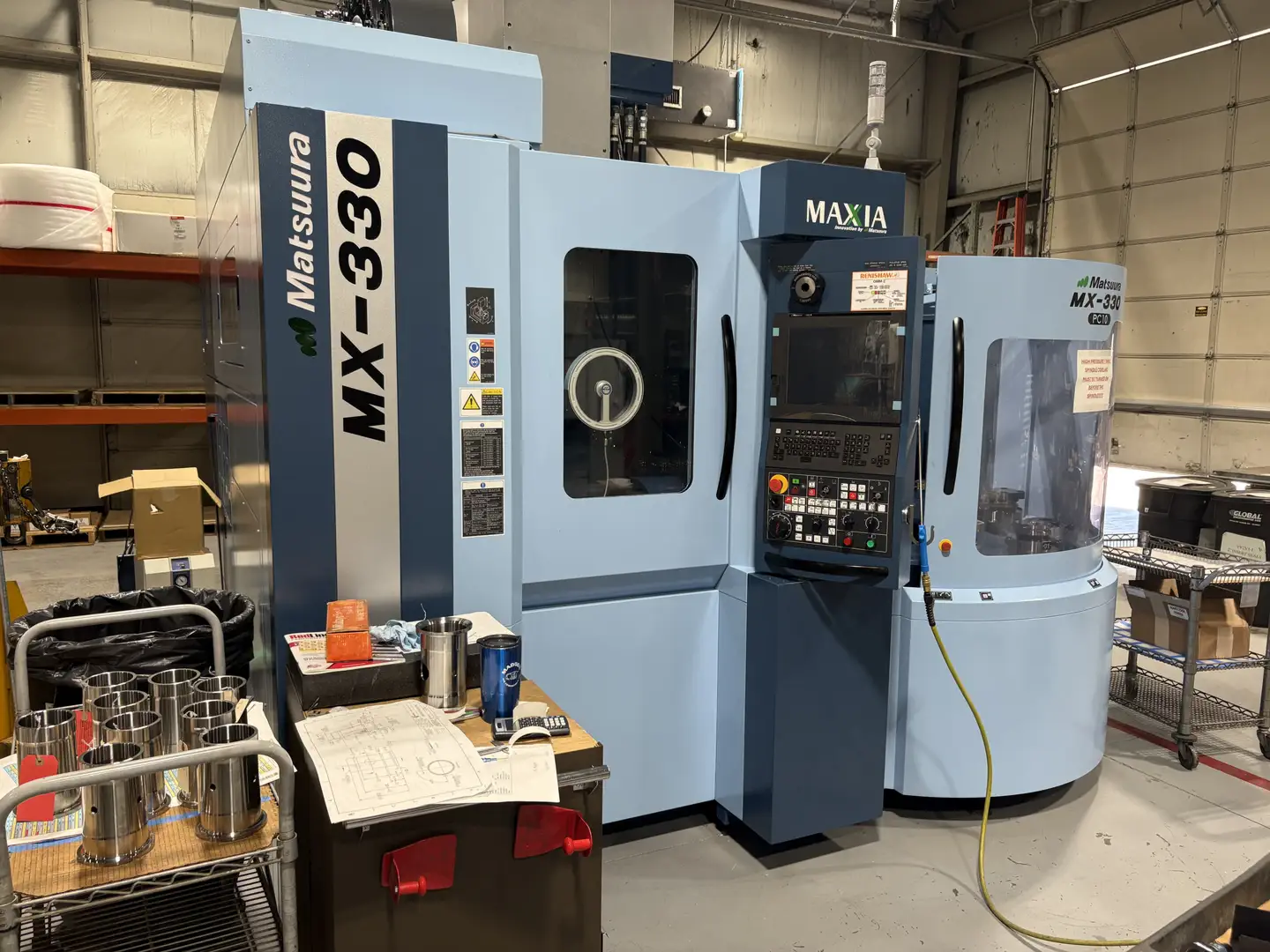
LeanWerks Expands Advanced Manufacturing Capabilities with New Automated 5-Axis Matsuura MX-330 PC10
More Details: LeanWerks Expands Advanced Manufacturing Capabilities with New Automated 5-Axis Matsuura MX-330 PC10LeanWerks, a precision machining partner serving the aerospace, defense, space,…
-
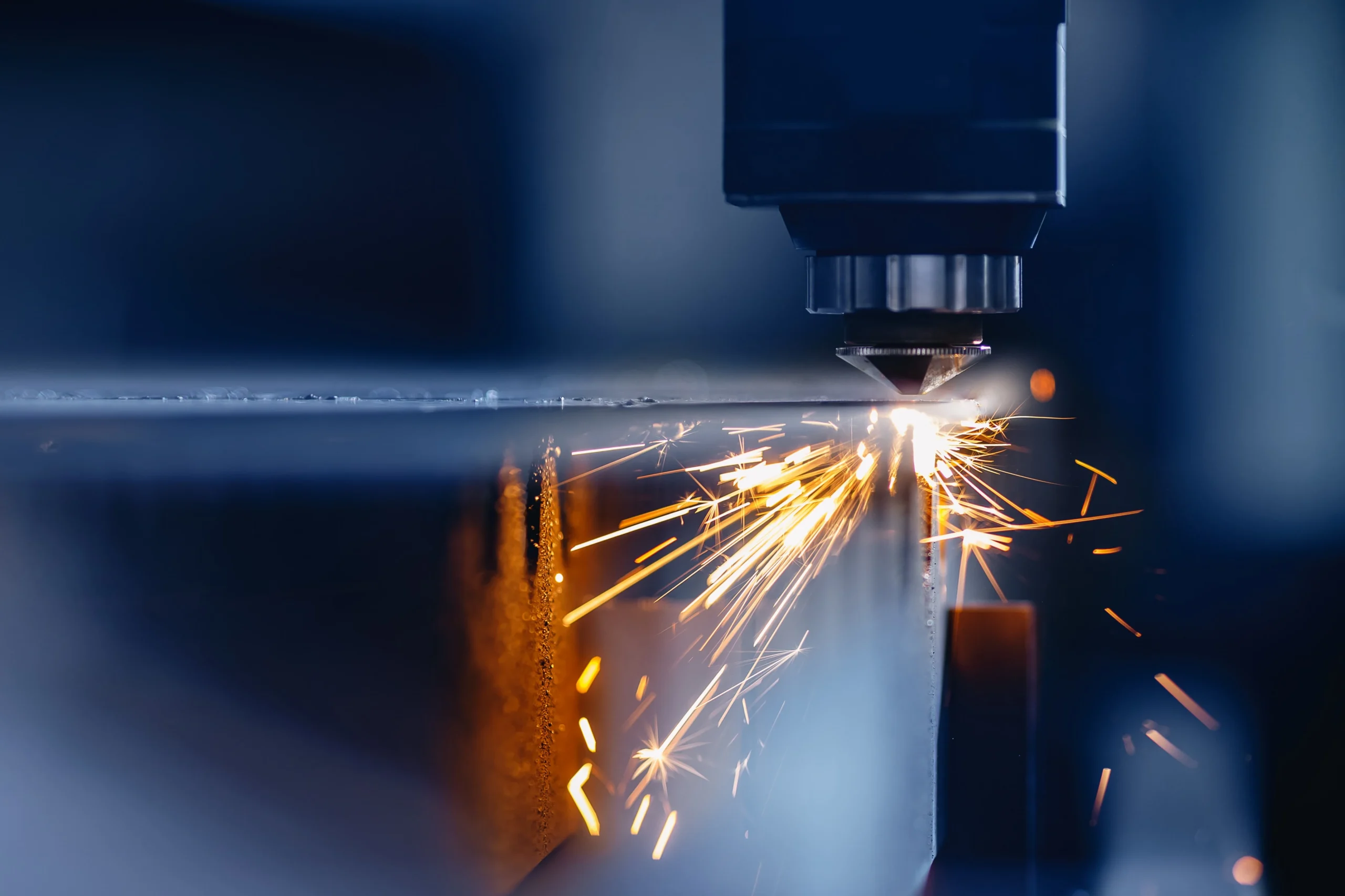
How Strategic Machining Partners De-Risk Commercial Space Scaling
More Details: How Strategic Machining Partners De-Risk Commercial Space ScalingCommercial space companies face immense pressure to move from development…
-

Why the Job Shop Model Fails Tier-1 Aerospace and Defense Companies
More Details: Why the Job Shop Model Fails Tier-1 Aerospace and Defense CompaniesTier-1 aerospace and defense companies operate in an environment where…