
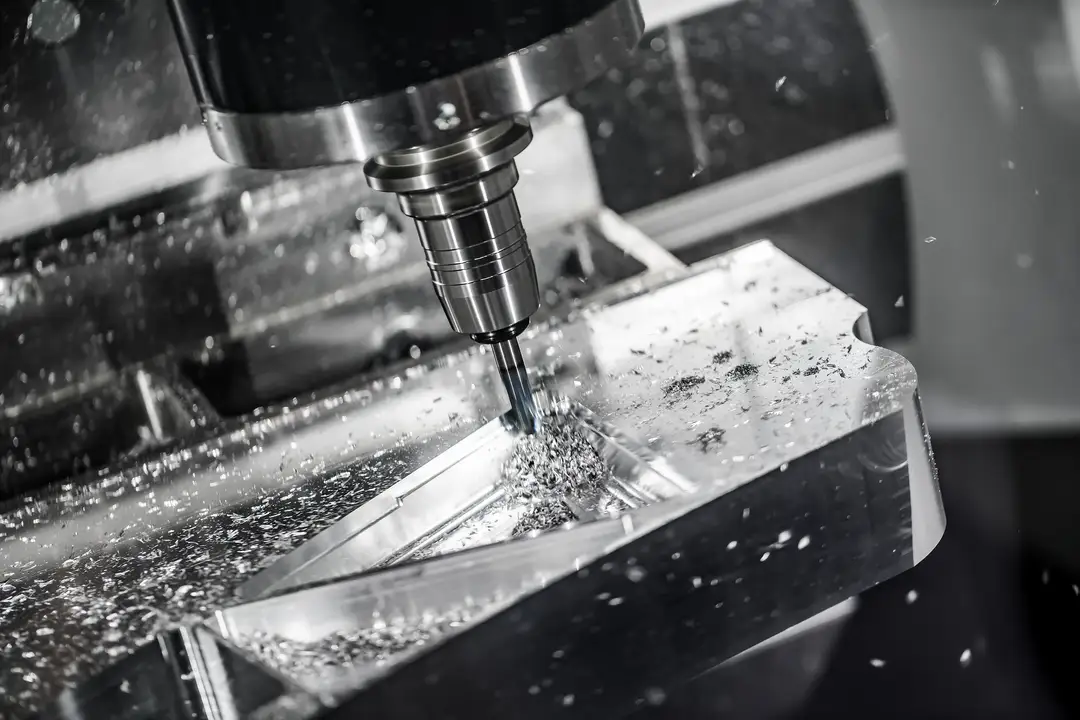
Hard Materials
In the world of precision machining, not all materials are created equal. While some have higher strength, heat resistance, and durability than others, they’re often much more difficult to work with, requiring specialized tools and techniques.
The team at LeanWerks has expertise in manufacturing products using hard materials, such as hardened and stainless steels, superalloys, titanium alloys, nickel alloys and other high-strength materials used in high-performance applications. Contact us today to learn more about what makes us your trusted partner for machining difficult and high-strength materials.
The Challenges of Machining Hard Materials
In the world of machining, hard materials are those with high hardness, toughness, or heat resistance. They often have a high tensile strength, resist abrasion and wear, and do not deform under stress. While these qualities are beneficial in demanding environments, taking the raw materials and turning them into finished products can be challenging.
Specific challenges of machining hard materials include:
- Increased tool wear and shorter tool life
- Heat generation during cutting processes
- Difficulty maintaining tight tolerances
- Work hardening and material deformation risks
- Slower machining speeds and longer cycle times
- Need for specialized tooling, coatings, and cutting strategies
At LeanWerks, we’re prepared to meet these challenges, working with hard materials without compromising quality. We’re able to maintain efficient production processes despite increased material difficulty, improve part performance and longevity, and reduce the risk of failure in critical applications.
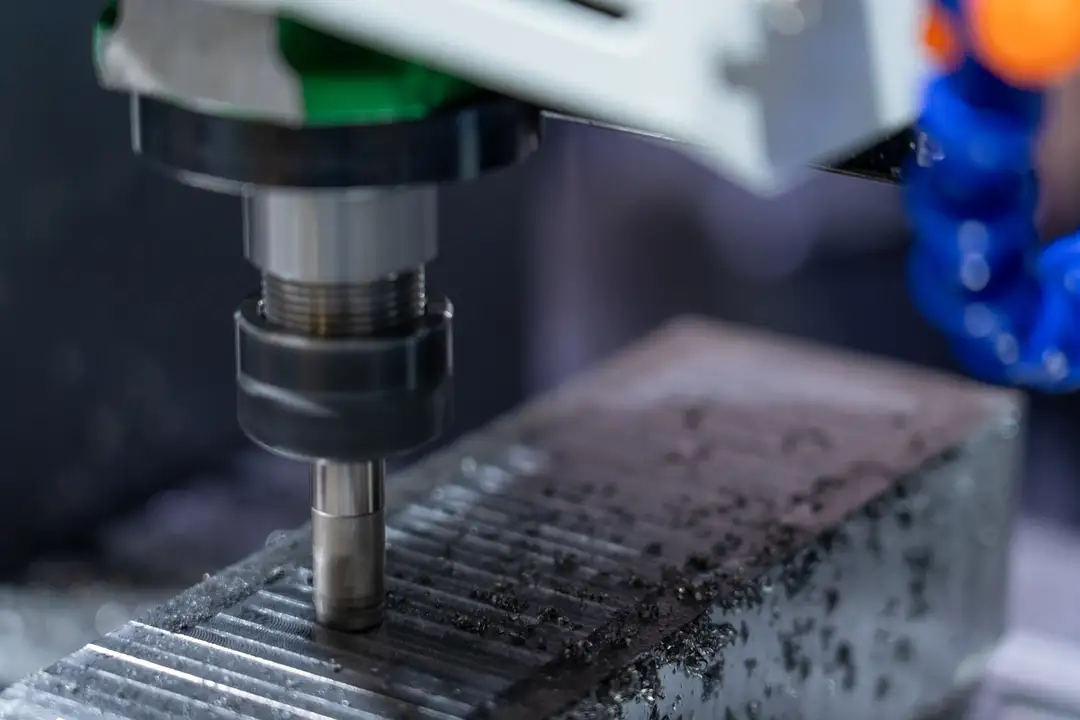
Types of Hard Materials We Work With
We have the capability to machine a wide variety of hard materials, including:
- Hardened steels, such as tool steels and heat-treated alloys, for applications that require extra durability and wear resistance
- Superalloys, such as Inconel, Hastelloy, and other high-performance alloys that resist extreme heat and corrosion
- Titanium alloys, which have a high strength-to-weight ratio and are commonly used in aerospace and high-performance applications
- Stainless steel, which can be challenging to work with because it tends to harden during machining
- Cast and forged high-strength materials, which have undergone heat treatment or forming processes
Get Your Free Quote
made in the usa
precision machining
Advanced Machining Capabilities for Hard Materials
Our advanced machining capabilities allow us to achieve precision parts with tight tolerances despite material hardness. We use high-performance, multi-axis CNC equipment for complex shapes, and our carbide, ceramic, or coated cutting tools are capable of handling high cutting forces. We optimize speeds, feeds, and cutting paths for maximum efficiency, and our coolant systems manage any heat produced.
Quality Assurance for Hard Material Machining
At LeanWerks, we take quality assurance seriously. We implement rigorous inspection processes to ensure parts meet specifications and tolerances remain tight. We monitor tool wear and process consistency, especially when working with hard materials, to ensure uniformity and repeatability. Plus, we provide documentation and traceability for critical components so that if anything goes wrong, we can swiftly pinpoint and correct the error.
Why Choose LeanWerks for Hard Material Machining?
At LeanWerks, we integrate lean manufacturing principles into everything we do. This includes optimizing workflows to reduce machining time and overall cost, minimizing material waste, maximizing tool life, and smart scheduling to ensure on-time delivery.
Our skilled machinists have experience working with nearly any material you can think of. No matter how hard the material or how complex the component is, we have the skills and equipment to bring your vision to life with precision, reliability, and efficiency.
If you’re looking for a hard material machining partner, contact LeanWerks today to discuss your project requirements and receive a quote.
Frequently Asked Questions
What are considered hard materials in machining?
Hard materials include metals and alloys with high strength, heat resistance, and wear resistance, such as hardened steel, titanium, stainless steel, and superalloys like Inconel. These materials are commonly used in demanding applications where durability and performance are critical.
Why is machining hard materials more challenging?
Hard materials generate more heat, cause faster tool wear, and can be difficult to cut accurately. Specialized tooling, advanced CNC equipment, and optimized machining strategies are required to maintain precision and efficiency.
What industries require hard material machining?
Industries such as aerospace, space, energy, oil and gas, medical manufacturing, and industrial equipment rely on hard material machining. These sectors need components that can withstand extreme conditions while maintaining tight tolerances and long-term reliability.
How do you maintain precision when machining hard materials?
Precision is maintained through the use of rigid CNC machines, high-performance cutting tools, and carefully optimized machining parameters. Advanced cooling methods and in-process inspections also help control heat, reduce tool wear, and ensure tight tolerances are consistently achieved.