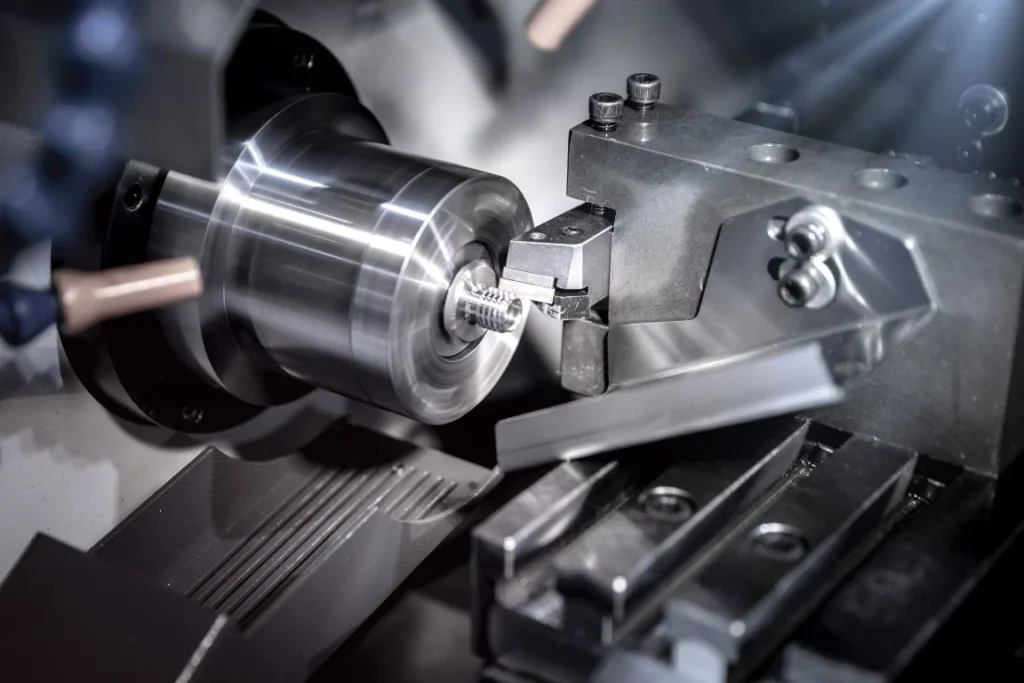
The aerospace industry depends on materials capable of performing in some of the most demanding environments ever created. Components used in propulsion systems, structural assemblies, and high-temperature operating environments must withstand extreme heat, pressure, vibration, and corrosion while maintaining dimensional stability and mechanical integrity.
This is why superalloys and hard materials have become critical to modern aerospace manufacturing. These materials enable aircraft and spacecraft systems to achieve higher performance and greater reliability. However, the same characteristics that make these materials valuable also make them exceptionally difficult to machine.
For aerospace companies seeking dependable production partners, success depends on working with manufacturers that possess the specialized knowledge, rigid processes, and engineered machining strategies necessary to consistently produce mission-critical components.
LeanWerks has developed extensive experience machining superalloys and hard materials, helping aerospace customers achieve quality, repeatability, and long-term program success.
Why Superalloys and Hard Materials Are Essential to Aerospace Machining
Modern aerospace systems demand materials that can maintain performance under extreme operating conditions. Components exposed to high temperatures, corrosive environments, and substantial mechanical loads require properties that traditional metals simply cannot provide. This is where superalloys and hard materials excel.
Nickel-based alloys offer outstanding resistance to heat and oxidation, making them ideal for propulsion and turbine applications. Titanium provides exceptional strength-to-weight characteristics that support fuel efficiency and structural performance. Hastelloy and cobalt alloys deliver excellent resistance to corrosion and wear in highly demanding environments.
These materials are commonly used in:
- Propulsion components
- Structural aerospace assemblies
- High-temperature support hardware
- Maintenance, Repair, and Overhaul (MRO) replacement parts
- Certified spare parts for mature aerospace programs
As aerospace manufacturers continue to push performance boundaries, the use of superalloys and hard materials continues to expand. However, achieving the desired material benefits requires machining processes capable of maintaining precise tolerances and surface integrity throughout production.
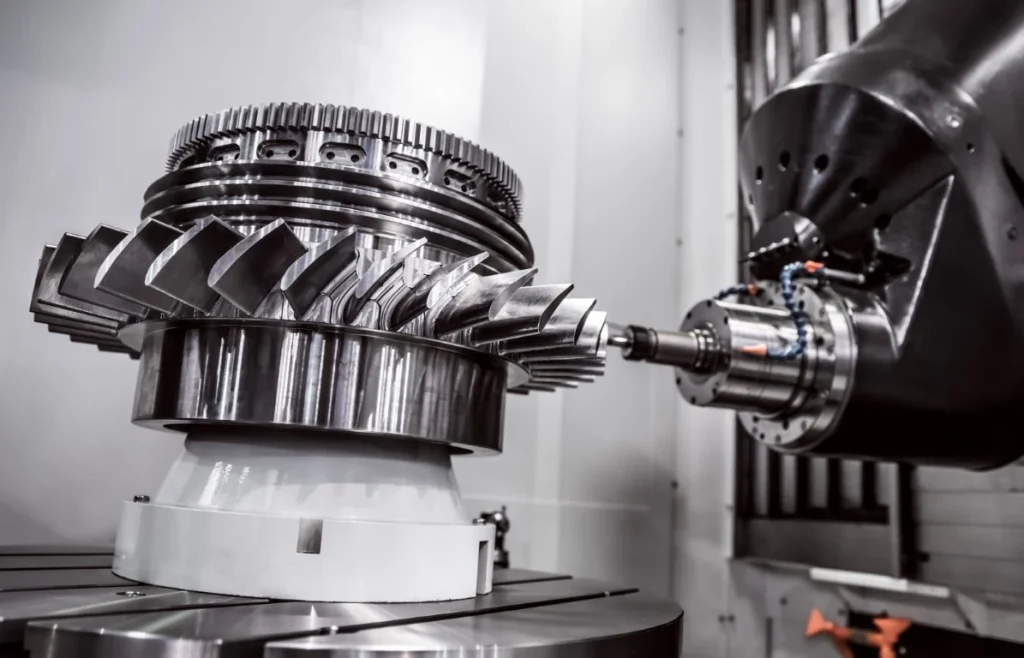
The Challenges Created by High-Performance Aerospace Materials
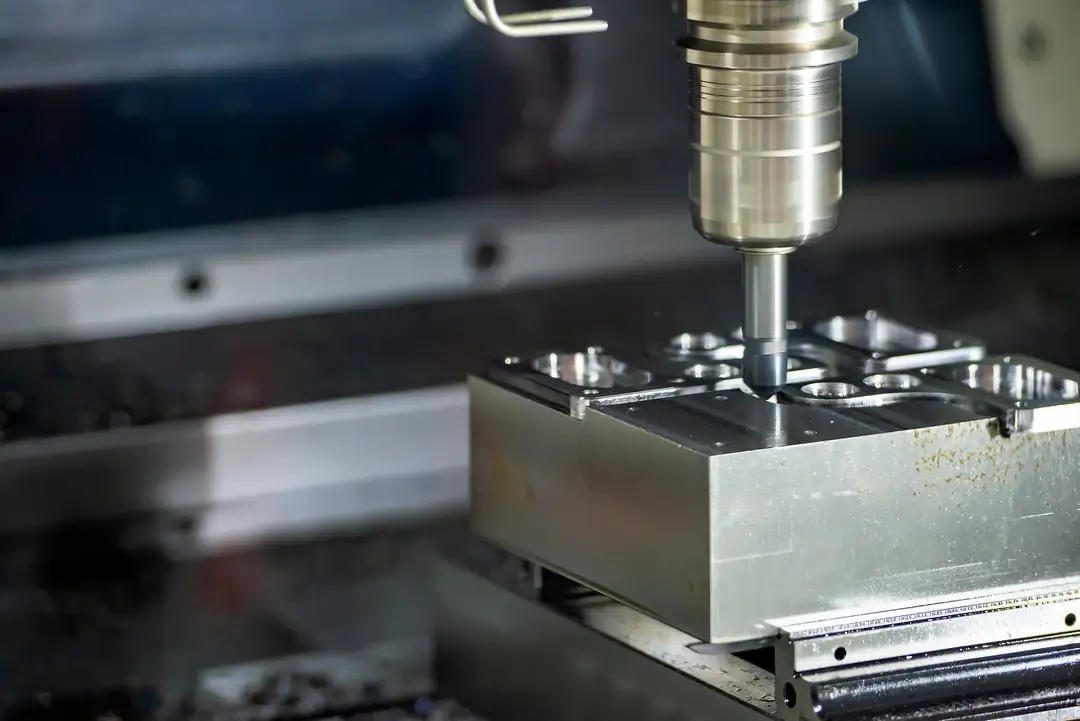
The characteristics that make aerospace alloys desirable also create significant manufacturing difficulties. Unlike conventional materials, superalloys and hard materials often resist cutting forces, generate substantial heat, and accelerate tool wear. One of the most common challenges is tool deflection.
High cutting forces can cause tools to flex during machining operations, potentially affecting dimensional accuracy and surface finish. For aerospace components where tolerances are measured in thousandths of an inch, even minimal tool movement can create unacceptable variation.
Heat management presents another major obstacle. Many superalloys and hard materials retain heat rather than allowing it to dissipate into the workpiece. As a result, cutting tools absorb a significant portion of the thermal load, increasing wear and reducing tool life. Additional challenges include:
- Work hardening during machining
- Material spring-back after cutting
- Increased cutting pressures
- Chip control difficulties
- Residual stress accumulation
- Surface integrity concerns
Stress relief becomes particularly important when producing complex aerospace components. Improper machining strategies can introduce residual stresses that affect dimensional stability or long-term performance. Mission-critical parts such as propulsion hardware require carefully controlled manufacturing processes to minimize these risks.
Successfully overcoming these challenges requires far more than simply operating advanced equipment. It demands a comprehensive understanding of material behavior, process control, and engineered machining practices specifically developed for aerospace applications.
Advanced Cutting Tools and Techniques for Processing Superalloys
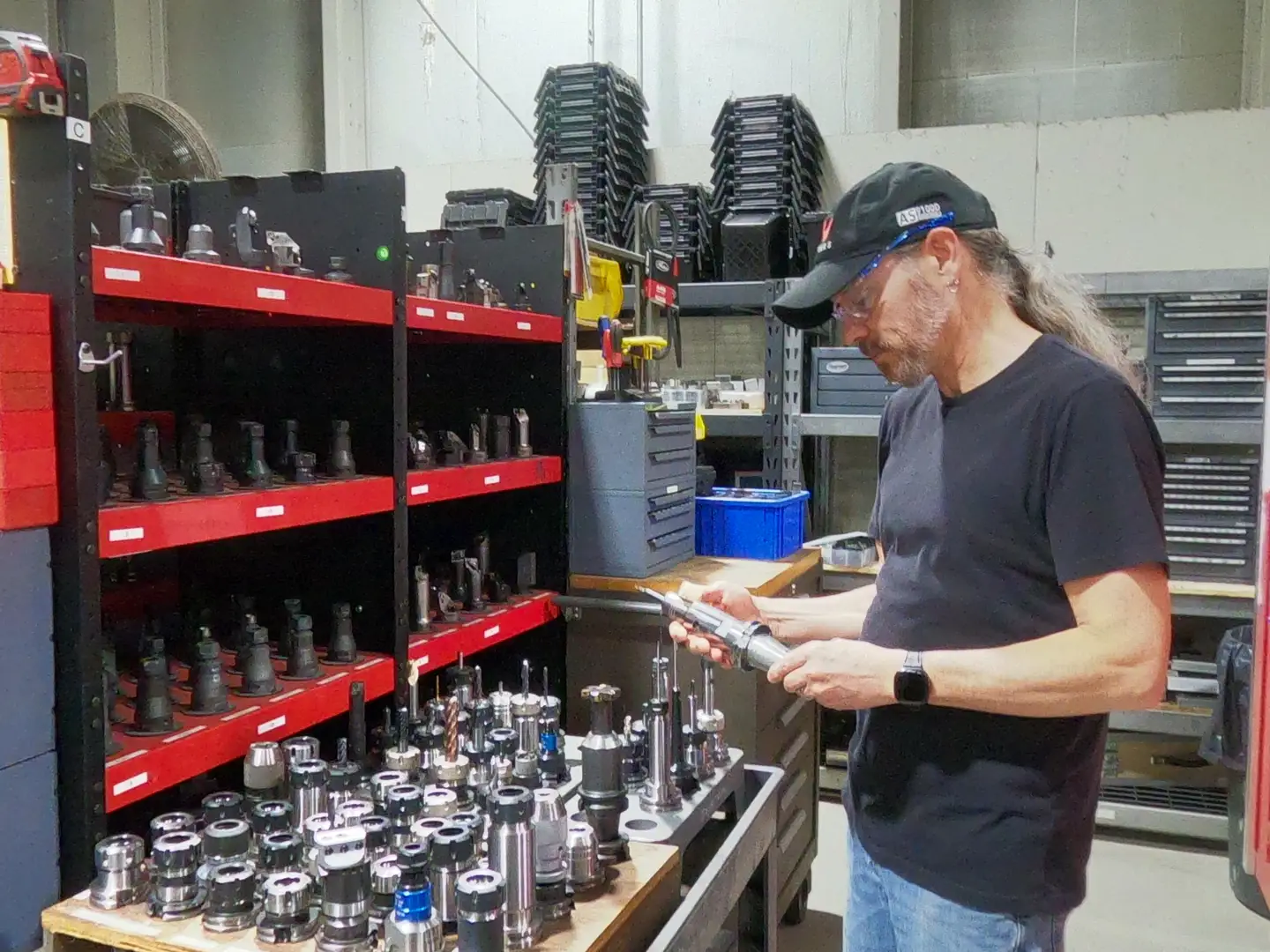
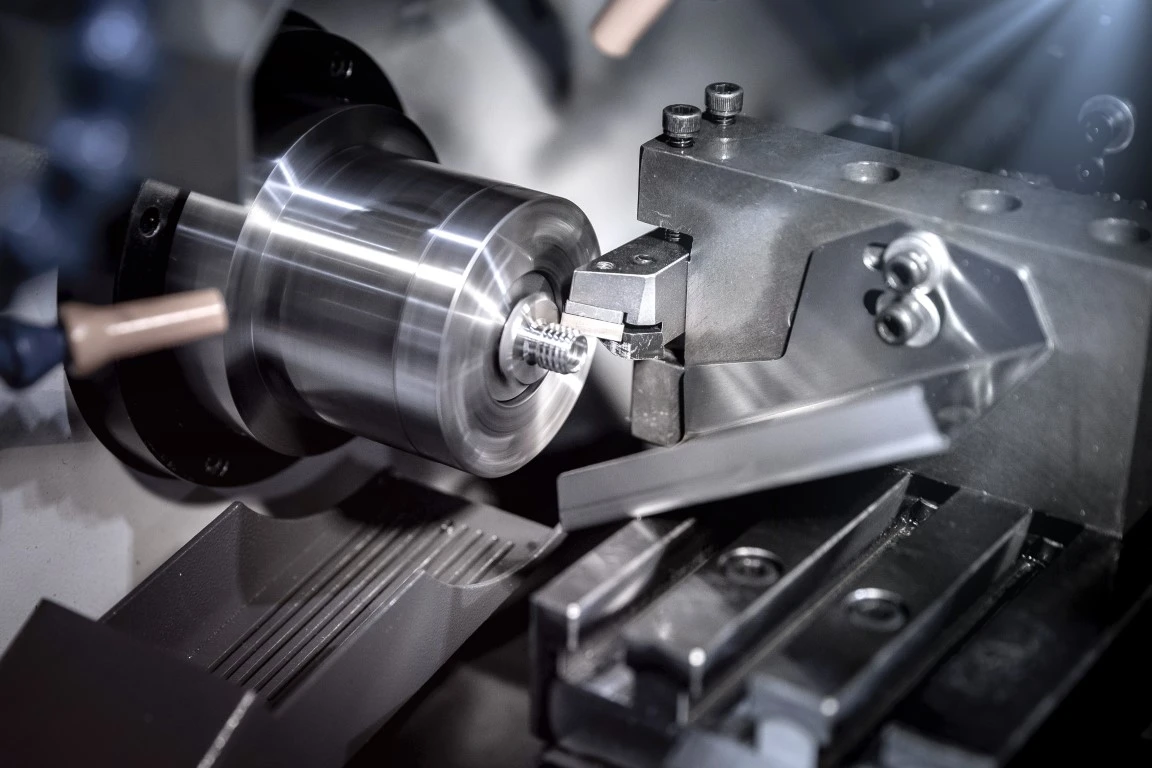
Successfully machining superalloys and hard materials demands specialized tooling, optimized cutting parameters, and highly disciplined manufacturing processes. Tool selection is critical, relying on advanced carbide tooling, specialized coatings, and geometries designed to withstand intense cutting conditions in aerospace alloys.
Properly balanced feeds and speeds are equally vital. Parameters must maximize productivity while protecting both the tooling and workpiece. Incorrect speeds can lead to damaging temperatures or inefficient production due to work hardening. Successful strategies coordinate high-performance tooling, optimized calculations, controlled chip evacuation, advanced coolant delivery, and continuous process monitoring.
Rigid work-holding is essential because the substantial cutting forces generated can cause vibration and movement if fixturing is inadequate. Stable work-holding improves accuracy, enhances surface finish quality, and reduces dimensional variation.
At LeanWerks, engineered machining processes are specifically developed to address the unique demands of these difficult aerospace materials. This focused approach ensures consistent production results and maintains the extreme precision required for critical aerospace applications.
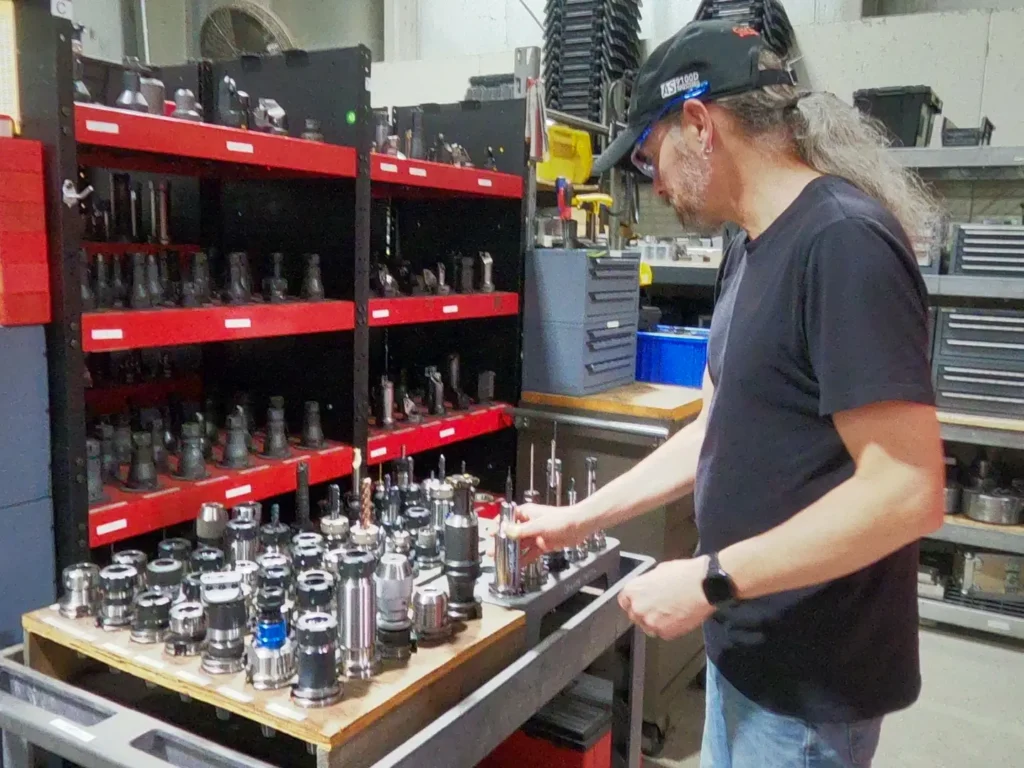
How Precision Manufacturing Reduces Waste and Improves Reliability
For aerospace manufacturers, machining performance is measured by more than cycle times alone. Reliability, repeatability, and quality consistency are often the factors that determine long-term program success. Precision manufacturing practices play a significant role in reducing waste when machining superalloys and hard materials.
Given the high cost of aerospace-grade raw materials, minimizing scrap and rework provides substantial value throughout the production lifecycle. Effective process control improves first-pass yield, reduces material waste, increases dimensional consistency, enhances surface quality, lowers production costs, and strengthens supply chain reliability.
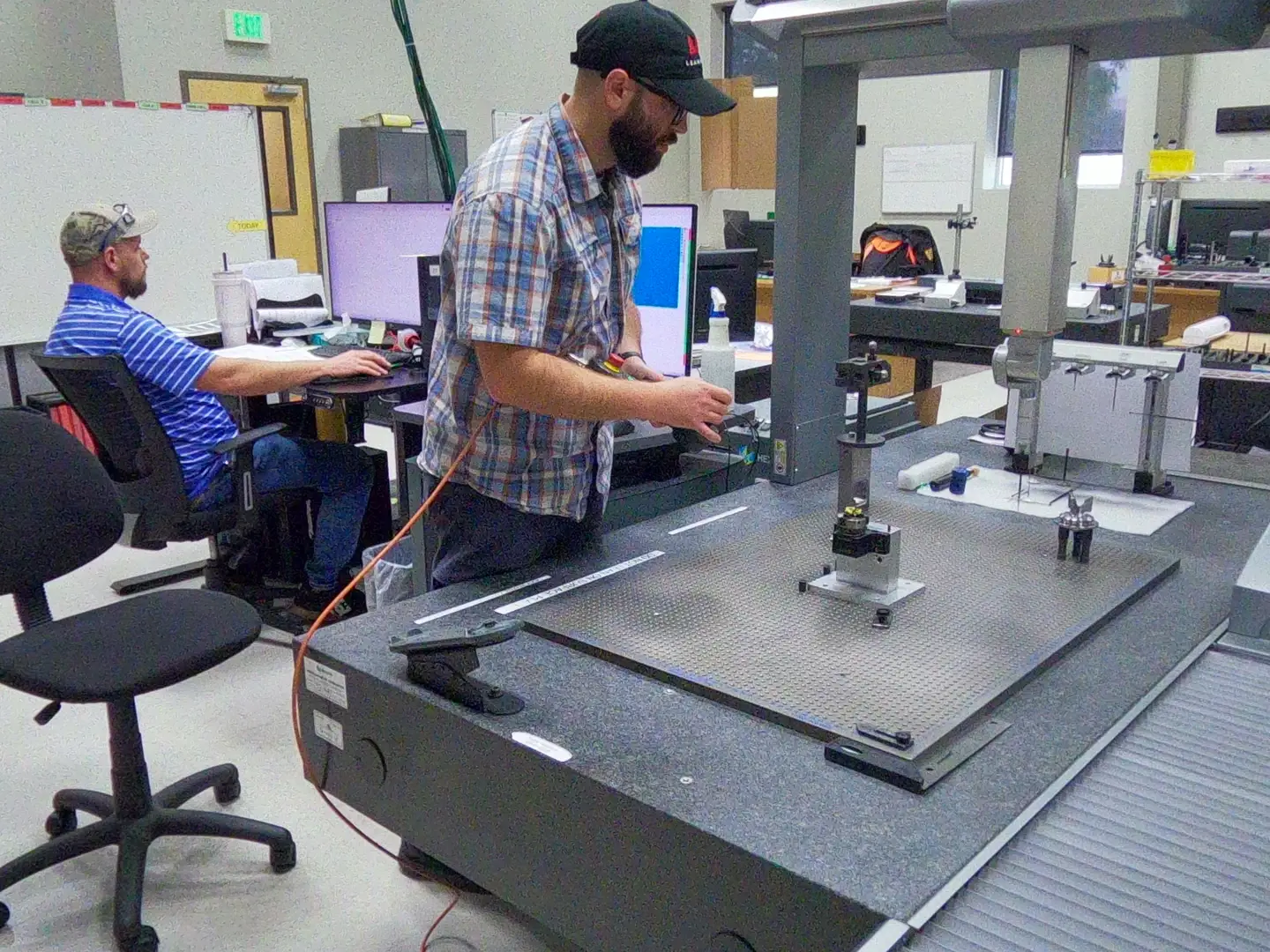
Process and quality engineering principles are particularly important when developing machining strategies for difficult materials. By carefully evaluating cutting forces, thermal effects, fixture design, and inspection requirements, manufacturers can establish robust production processes that consistently meet aerospace specifications.
This disciplined approach is especially valuable for long-term agreements, recurring production requirements, and mature aerospace programs where consistency is critical. Aerospace customers require dependable suppliers capable of supporting ongoing production needs for years or even decades.
Whether producing certified spare parts, supporting MRO activities, or supplying components for active aerospace programs, manufacturers must deliver repeatable results across every production run. Precision machining processes help ensure that each component meets demanding quality standards regardless of production volume.
Innovations Driving the Future of Aerospace Material Machining
As aerospace materials continue to evolve, machining technologies are advancing to meet new manufacturing challenges. Emerging innovations are helping manufacturers improve efficiency, quality, and process stability when working with superalloys and hard materials. Advanced cutting tool coatings continue to improve wear resistance and thermal performance.
These developments enable longer tool life and more predictable machining outcomes when processing difficult aerospace alloys. Digital monitoring technologies are also becoming increasingly important. Real-time process monitoring allows manufacturers to identify performance trends, optimize machining conditions, and reduce variability before quality issues occur.
The future of aerospace manufacturing will likely involve even greater use of superalloys and hard materials as performance requirements continue to increase. Manufacturers that invest in advanced machining capabilities and disciplined process control will be best positioned to support next-generation aerospace programs.
While technology plays an important role, expertise remains equally critical. Successful machining of advanced aerospace materials still depends on understanding how these materials respond to cutting forces, temperature changes, and manufacturing variables.
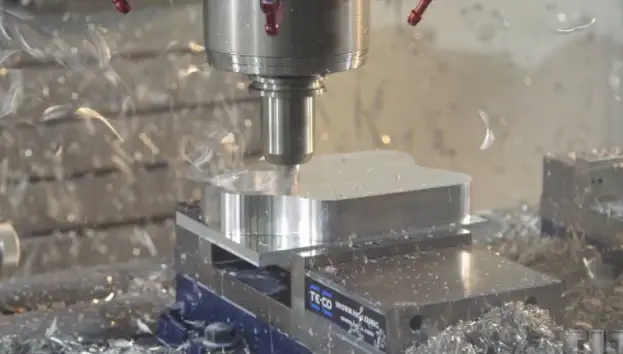
Delivering Exceptional Machining Results for Aerospace Companies
Producing aerospace components from superalloys and hard materials requires more than standard machining capabilities. It demands specialized knowledge, advanced equipment, disciplined process control, and a commitment to quality throughout every stage of production. LeanWerks has developed extensive experience machining challenging aerospace materials.
By applying engineered machining methodologies, optimized feeds and speeds, rigid work-holding strategies, and proven quality processes, LeanWerks consistently delivers components that meet the demanding requirements of aerospace customers.
This expertise is particularly valuable for recurring production requirements, source-approved programs, certified spare parts, and long-term manufacturing agreements where consistency and reliability are essential. Aerospace companies require manufacturing partners capable of supporting critical programs with dependable quality and repeatable performance.
As aerospace systems continue to evolve, the demand for precision-machined components manufactured from superalloys and hard materials will only increase. Organizations that partner with experienced manufacturers gain access to the specialized capabilities needed to overcome machining challenges while supporting long-term production success.
For aerospace companies seeking exceptional results in difficult materials, LeanWerks provides the expertise, process discipline, and manufacturing excellence necessary to support mission-critical applications today and well into the future. Contact us today if you’d like to learn more about our precision machining services.