A LeanWerks “Better Process / Better Part” Case Study
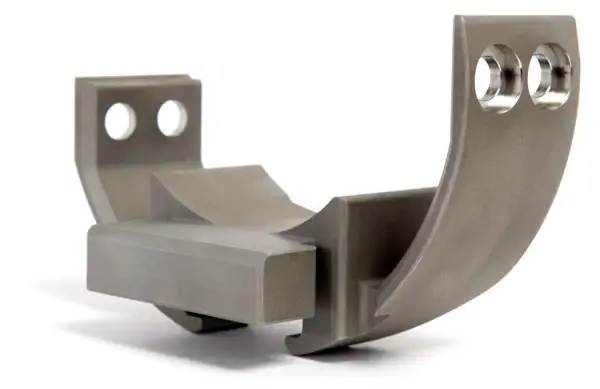
Materials, features, and tolerances are individually, and in combination, the source of manufacturing challenges and uncertain outcomes. The ultimate challenge is a part that combines all three, and this Thrust Brace is an exceptional trifecta.
Challenge
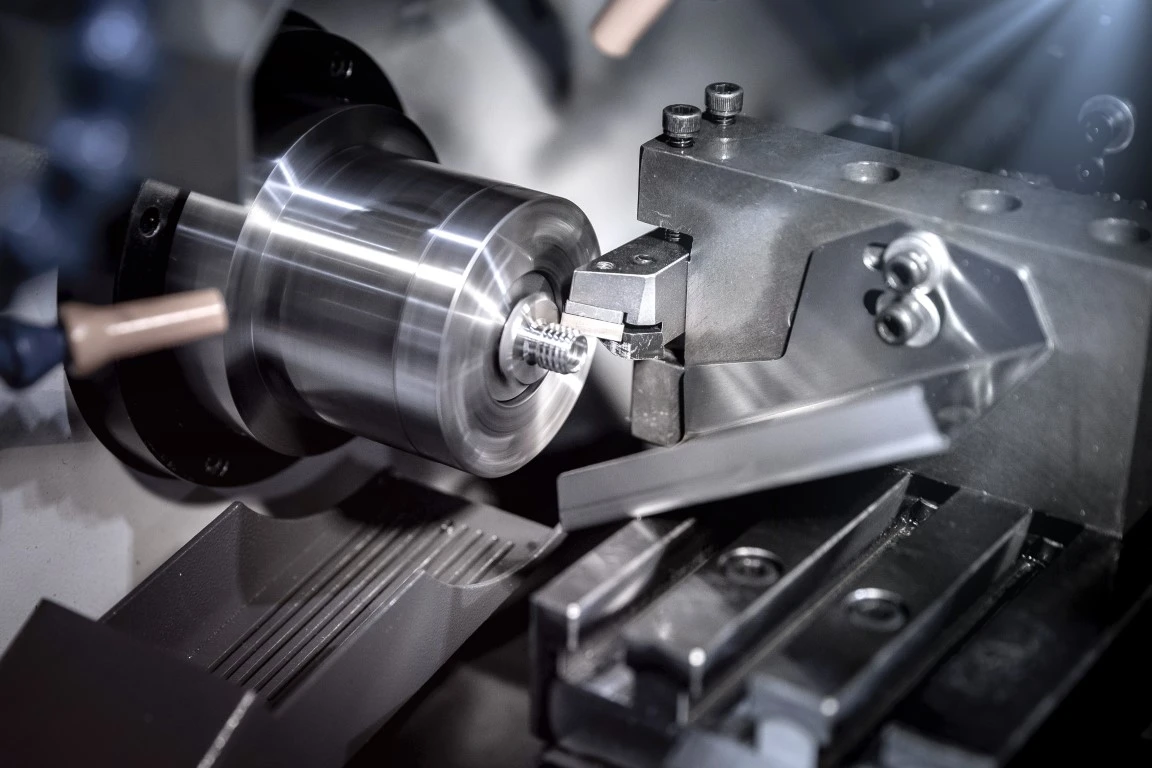
• Material: 410 Stainless Steel or Inconel 625. Both are not considered “free-machining” alloys. Inconel, especially, develops high temperatures during machining operations that alter the alloy microstructure, and potentially induce residual stresses that can degrade fatigue life of the component and/or distort the final geometry.
• Features: Varying cross section from thick to thin requiring large amounts of material removal and potential distortion from stress relieving.
• Tolerances: True position and size tolerance of the holes are both less than .001 inches – exacerbated by their location on the end of the thin sectioned wings, which is where heat and distortion from prior operations will have maximum impact.
History
By the time LeanWerks was introduced to this part, the customer had low expectations as prior suppliers had not found a way to successfully address these challenges. Previous builders forced the customer to compromise some objectives because the parent assembly did not fit together with the designed fit through the tight tolerance holes in the thrust brace. The customer had two options: 1) relax the tolerance on the holes and sacrifice design performance, or 2) buy extra thrust braces and conduct time consuming and expensive sorting activities to best fit each thrust brace with each assembly.
Solution
“All solutions are simple” – A mantra and an ideal at LeanWerks. Starting with a foundation of great people that include journey level tradespeople and degreed engineers, then strengthened by application of a comprehensive integrated job launch process, LeanWerks develops effective manufacturing plans guided by this simple solutions principle.
In this case, two wire EDM operations, each with a rough and finish pass to accommodate stresses that relieve during material removal, create a
geometrically perfect exterior from raw stock. Then the part is restrained in a rigid fixture inside a five axis machine so the holes can be installed in one work-hold with exacting precision. It’s that simple – and effective.
Results
Thrust braces that meet specification, every time. That’s the result we expected and achieved. Improved production and material yield, fewer labor hours per part, and a happy customer were also great results. However, the best and completely unanticipated result was that this thrust brace, which is part of a down-hole tool for oil exploration, caught the eye of a potential aerospace customer who has since become a regular customer.