Cellular Manufacturing: lower inventory, shorter lead times, better quality…
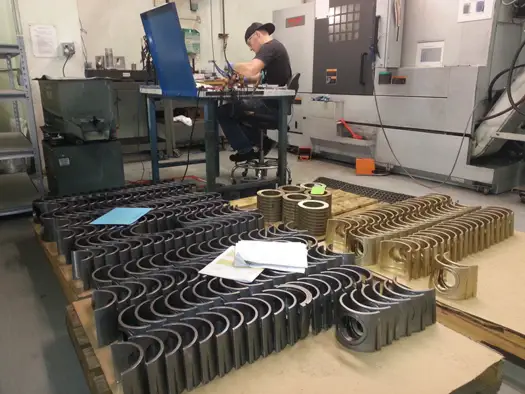
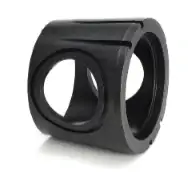
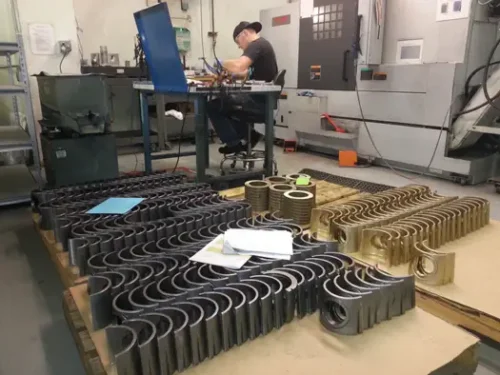
In the oil and gas pressure pumping industry, where activities like hydraulic fracturing, acidizing, cementing, and other well interventions are performed, working fluids are nasty and pressures are dangerously high. Flow control of the highest pressure fluids (15,000 psi) is achieved using plug valves – And this ductile iron plug valve insert requires frequent replacement. To function properly and safely, the inside diameter that mates with the plug must be manufactured with surface finish roughness < 32 rms and size tolerance less than 0.001 inches.
Challenges
- Unpredictable Demand: Work in the oil and gas industry long and you soon find out that it has boom and bust cycles that make demand fluctuate and leave various segments of the supply chain vulnerable to inventory overhang.
- O-Ring Groove: These inserts have an O-ring groove in a 10° conical surface – a deceivingly complicated feature to make accurately.
- Expensive Raw Material: Plug valve inserts are traditionally made from trepanned continuous cast ductile iron round bar. While the iron itself is not relatively expensive, continuous casting and trepanning make the cost per pound on par with some super alloys.
Solution
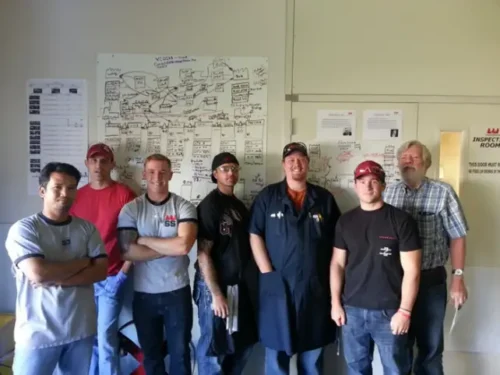
“All solutions are simple” – A mantra and an ideal at LeanWerks. Starting with a foundation of great people that include journey level tradespeople and degreed engineers, then strengthened by great processes, LeanWerks develops effective manufacturing plans guided by this simple solutions principle. In this case the key was a combination of our expertise in metallurgy and application of Lean principles.
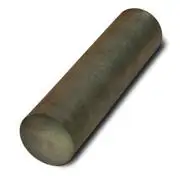
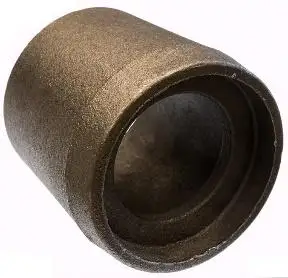
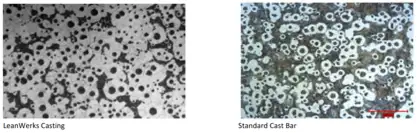
Metallurgy: Ductile iron gets its ductility from the addition of magnesium in the ladle – called inoculation. Once magnesium is added, graphite inherent in the iron converts from flakes to spherical nodules imparting superior impact, fatigue, and ductility to the metal. However, this inoculation only lasts 14 minutes until the graphite converts back to flakes, so inoculated metal must be poured and frozen within that 14-minute window to maintain its superior properties. Understanding this, LeanWerks sought out a foundry with capabilities to create a near net casting with in-mold inoculation, which would guarantee properties and provide a much more uniform grain structure than that of continuous cast ductile iron which has varying grain structure as time passes from the beginning of the continuous cast bar to the end. A foundry was identified, and relationship forged that not only produced a near net casting with superior properties to bar stock, but also embraced small lots and frequent deliveries to combat the need to stockpile inventory. Raw material costs per part decreased by 66% (a huge impact since raw material accounted for nearly 50% of the finished part cost) and machining became more efficient as well due to reduced material removal and more consistent metal properties that allowed predictable cutting parameters and tool changes.
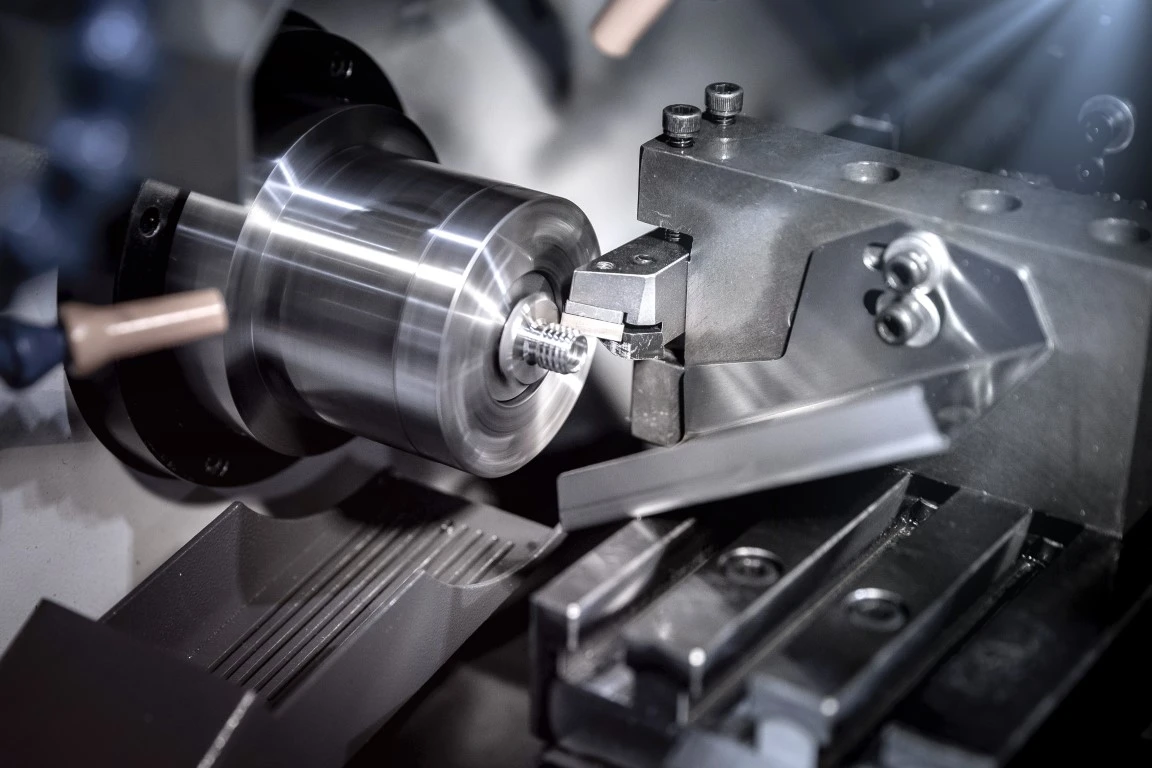
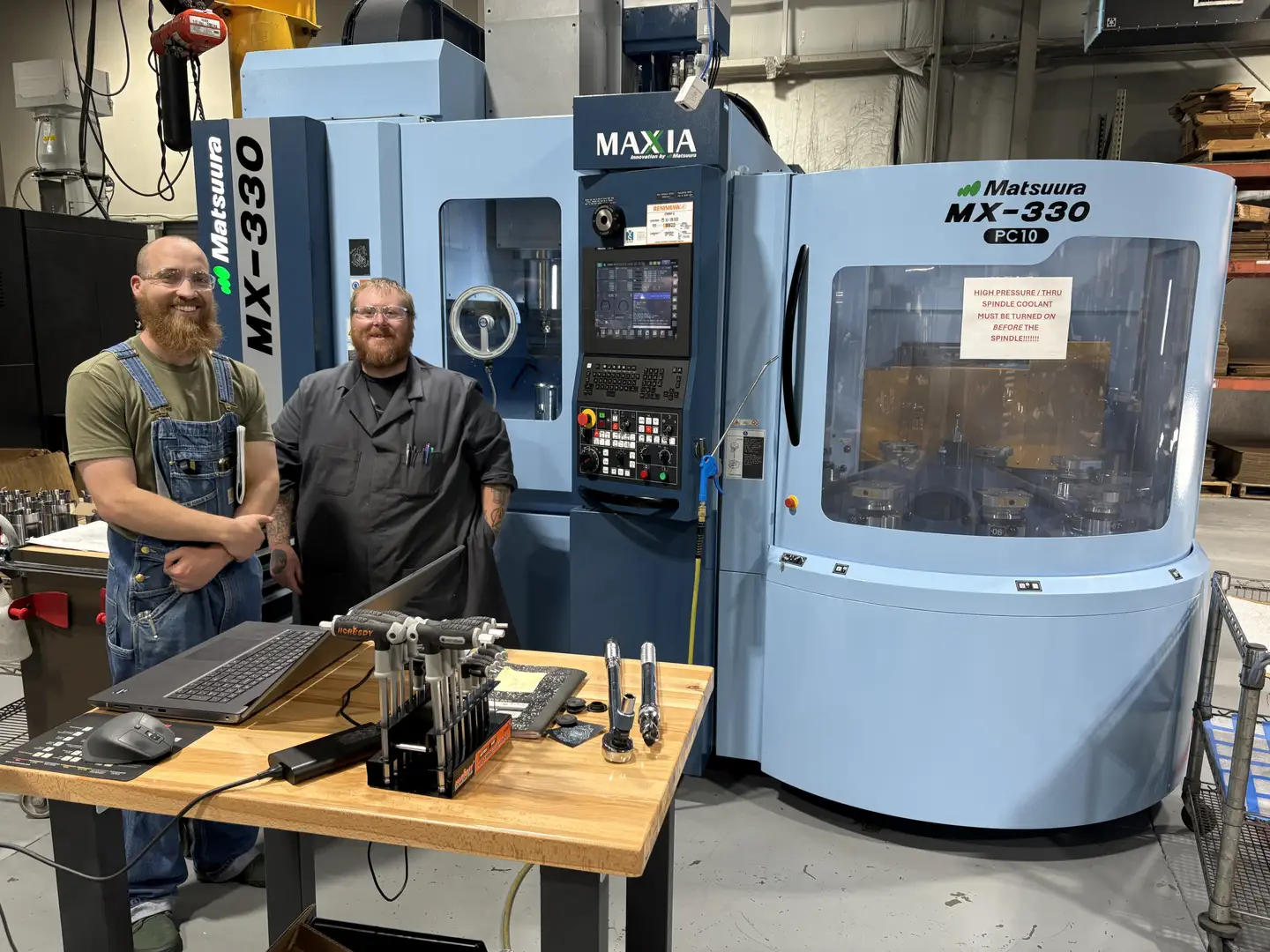
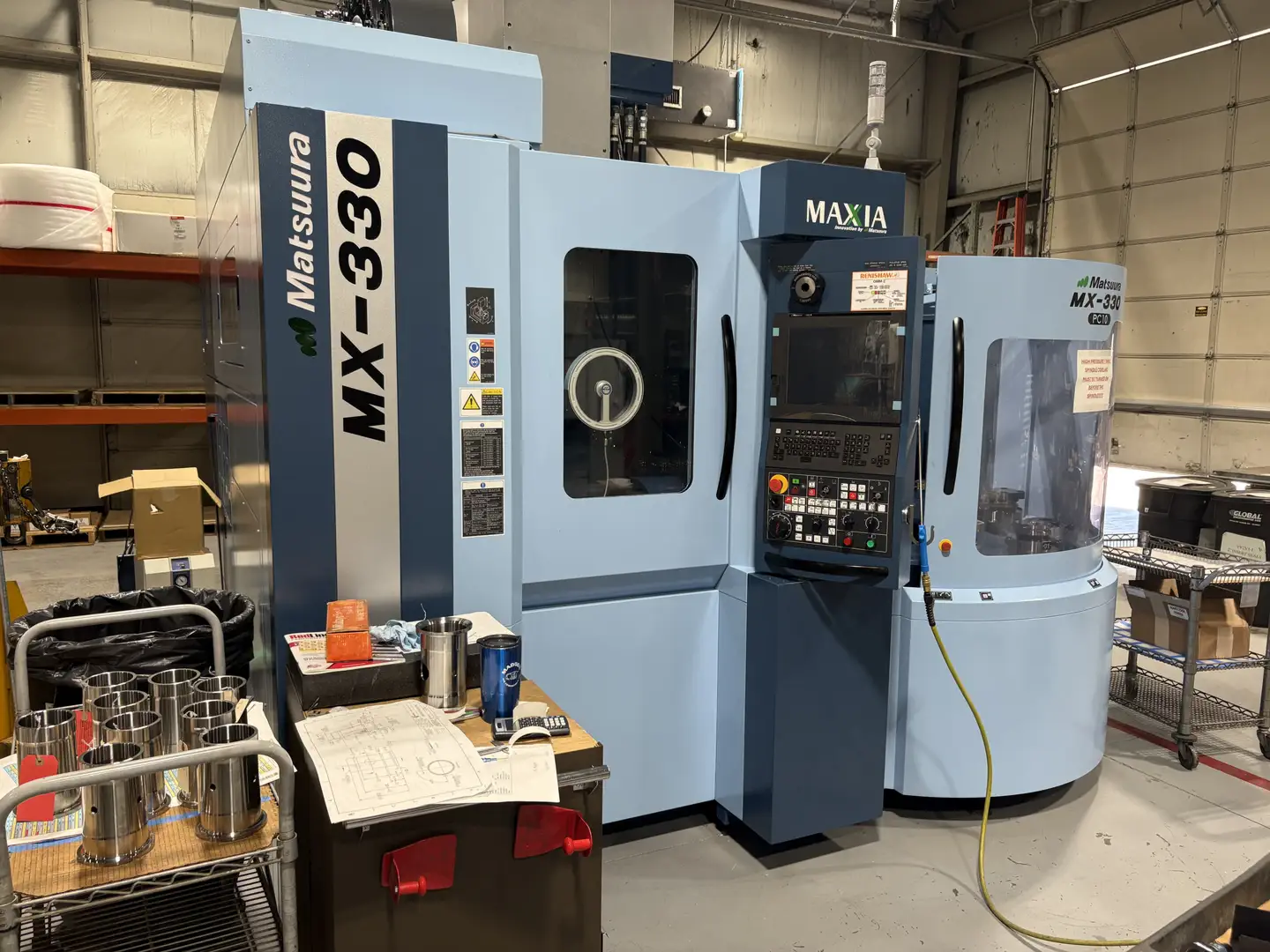
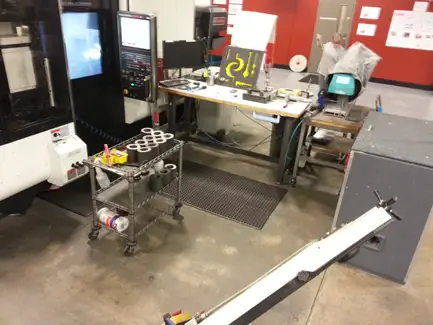
Lean: The traditional approach to this pressure pumping commodity was two lathe operations for the cylindrical features followed by two milling operations: one for the features normal to conical surface (O-ring groove and adjacent land) and one for the features normal to conical axis (side grooves) – All completed in large batches to optimize machine efficiency at each step. Understanding value as only the tasks done that transform the metal into the finished part, LeanWerks “Lean” approach started with a focus on getting those tasks to flow. Utilizing the latest in live tooled lathe and multi-tasking technology to complete the machining tasks in a one-and-done operation, LeanWerks eliminated huge amounts of work in process inventory, wasted movement, and scrap and dramatically reduce “dock to dock” time. The next lean step was to equip the work area around the machining center with all the support equipment to finish the part while the next part was running on the machine. Those steps included: part marking, splitting, tumbling, oiling, bagging, and packaging. By mounting support equipment on wheels and having plentiful air and power drops around the machine, LeanWerks was able to achieve a “Single Minute Exchange of Cell” or SMEC so we could change from other parts to these valve inserts and back in a matter of minutes. The latest, but not last, Lean based improvement implemented is standardizing pitch and predictive tool changes, both of which have netted additional reductions in scrap and increases in throughput.
Results
An agile production cell with industry leading responsiveness, lowest cost per part, and minimum inventory. LeanWerks not only made these significant gains which were shared with its customers, but because of the gains, was able to grow its share of this commodity market – And, did this not by cutting corners to lower cost, but by using knowledge of the metallurgy combined with exceptional application of Lean to increase value for all stakeholders.