For manufacturers supplying critical aerospace, defense, and nuclear applications, AS9100 certification is the baseline, not the finish line. Prime contractors and supply chain managers expect qualified suppliers to meet AS9100 requirements. The real differentiator is what happens after certification: how quality systems, process discipline, and manufacturing controls are applied daily to produce mission-critical components.
Mission assurance goes beyond compliance. It requires engineered CNC machining processes, rigorous quality planning, complete traceability, and a culture built around repeatability, not inspection alone. For long-term defense and nuclear programs, these capabilities reduce risk, improve reliability, and ensure consistent performance across years of production, reliably.
Why AS9100 Is Only the Starting Point
The aerospace and defense industries rely on AS9100 because it establishes a framework for quality management, risk reduction, documentation, and continual improvement. Certification demonstrates that a manufacturer has implemented systems capable of supporting highly regulated production environments.
However, AS9100 certification alone does not guarantee manufacturing excellence. Two machine shops may both hold AS9100 certification while delivering dramatically different results. One may depend heavily on operator experience, informal process knowledge, and inspection to catch problems after machining is complete.
Another may use engineered CNC machining methods that build quality directly into every stage of production, minimizing variation before parts ever reach inspection. For mission-critical applications, that difference matters. Customers responsible for high-consequence applications need suppliers whose processes consistently produce identical results across multiple production runs.
Mission Assurance Requires Engineered CNC Machining Processes
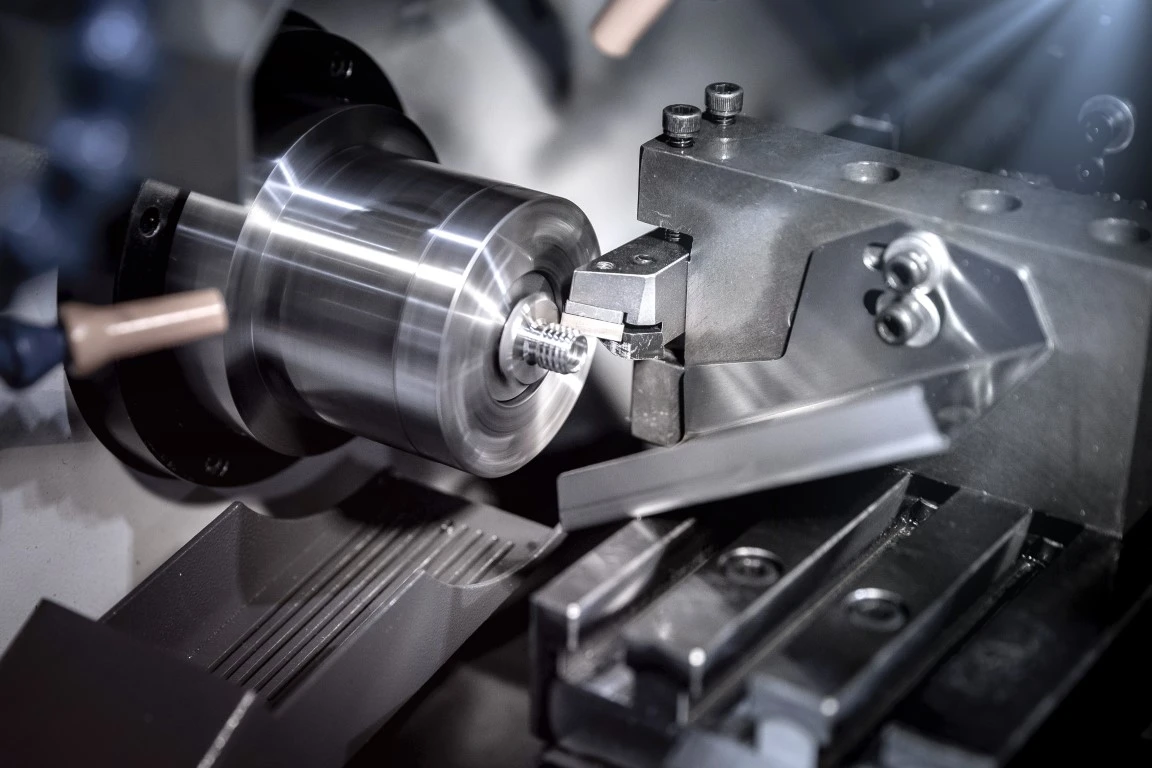
True mission assurance begins long before the first component enters a machine. Rather than relying on a standard machining approach, experienced manufacturers apply engineering principles to develop optimized CNC machining processes tailored to each component. This does not involve engineering or redesigning the customer’s product.
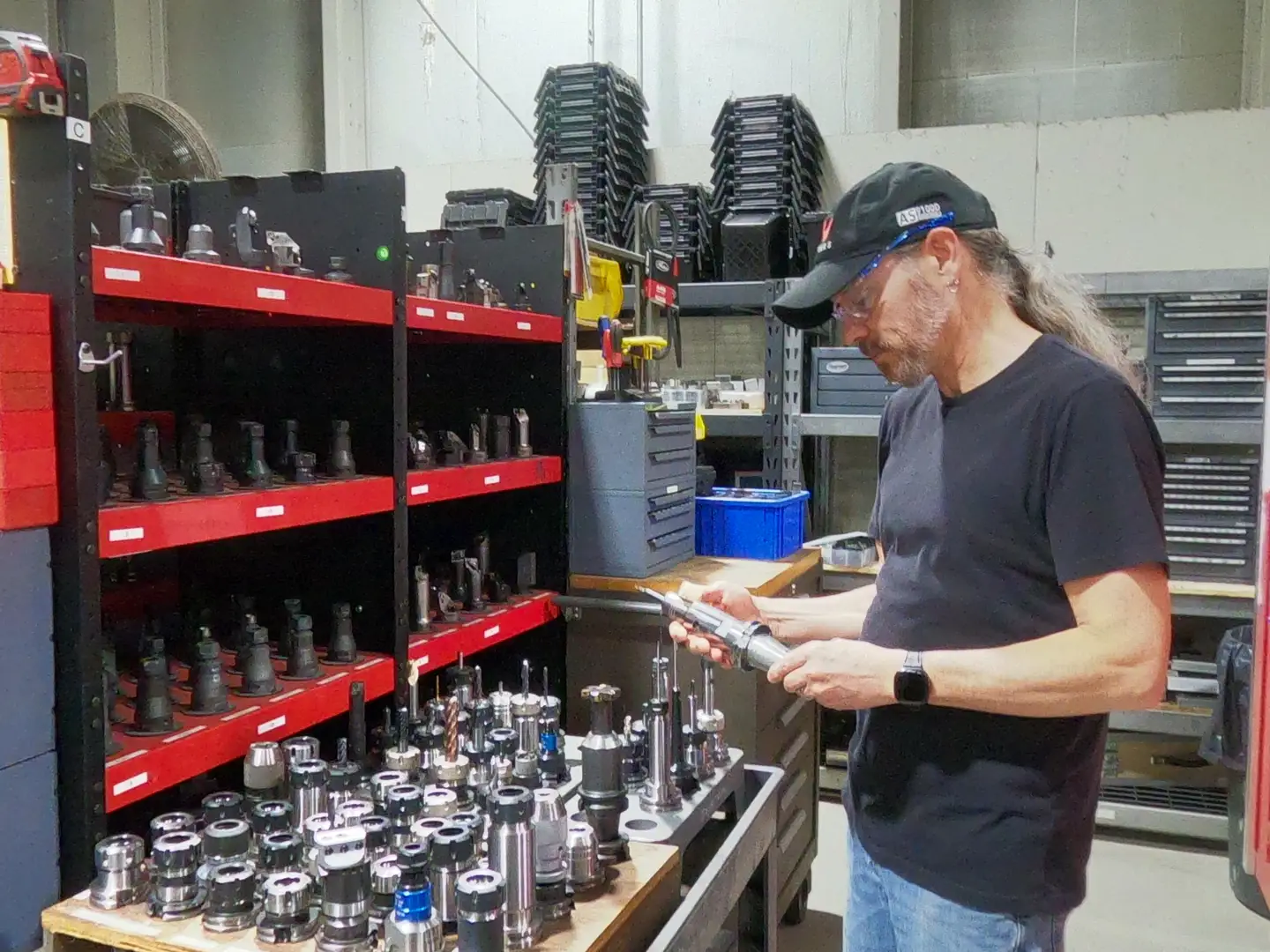
Instead, engineering principles are applied to the manufacturing process itself, creating machining strategies that maximize consistency, repeatability, and quality. Every production step is evaluated to determine the most effective machining sequence, fixturing methods, tooling selection, inspection strategy, and process controls.
This disciplined approach reduces unnecessary variation while improving dimensional accuracy and process stability. Instead of asking whether a part can simply be machined, the focus becomes:
- How can the machining process consistently produce identical results?
- How can risk be reduced before production begins?
- How can quality be built into every manufacturing step?
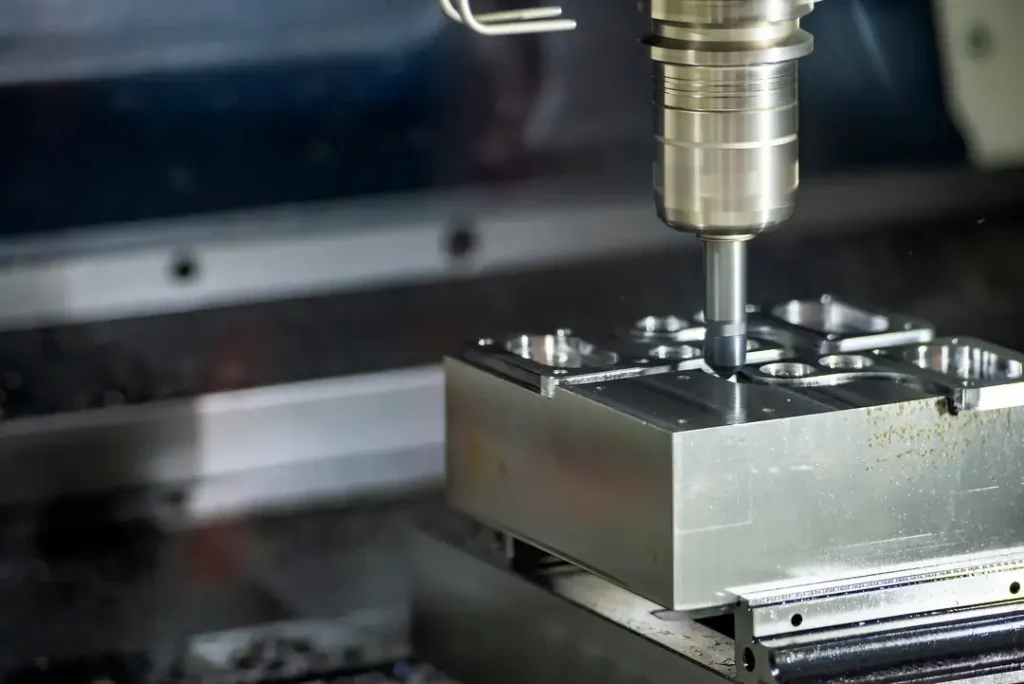
Process Control Creates Consistent Results Across Long-Term Programs
Many defense and nuclear components are not one-time production orders. They support mature programs with recurring manufacturing requirements that may continue for years or even decades. These long-term agreements often involve:
- Ongoing production requirements
- Certified spare parts
- Maintenance, Repair, and Overhaul (MRO) programs
- Licensed spare parts
- Source-approved manufacturing
- Established defense and aerospace programs
In these environments, consistency is often more valuable than speed. A component manufactured today must perform identically to one produced several years from now. Maintaining this consistency requires documented processes, controlled revisions, validated tooling, and stable manufacturing methods that can be repeated across every production run.
While AS9100 establishes quality system requirements, mission assurance depends on maintaining disciplined process control throughout the life of the program. That is what enables suppliers to support critical programs with confidence long after initial qualification.
Traceability Supports Accountability
For nuclear and defense components, traceability is more than recordkeeping. Every material certification, machining operation, inspection result, and process revision contributes to a complete manufacturing history. Comprehensive documentation allows manufacturers and customers to verify exactly how each component was produced.
This level of traceability becomes especially important when supporting regulated industries where product history may be reviewed years after delivery. Complete documentation also strengthens supplier accountability by ensuring manufacturing decisions are supported by objective records rather than assumptions or institutional knowledge.
When combined with disciplined process control, traceability helps reduce production risk while simplifying audits and customer reviews. It also gives your manufacturing partners the confidence that every component can be verified back to its source materials, processes, and inspection records.
Risk Reduction Begins Before Production
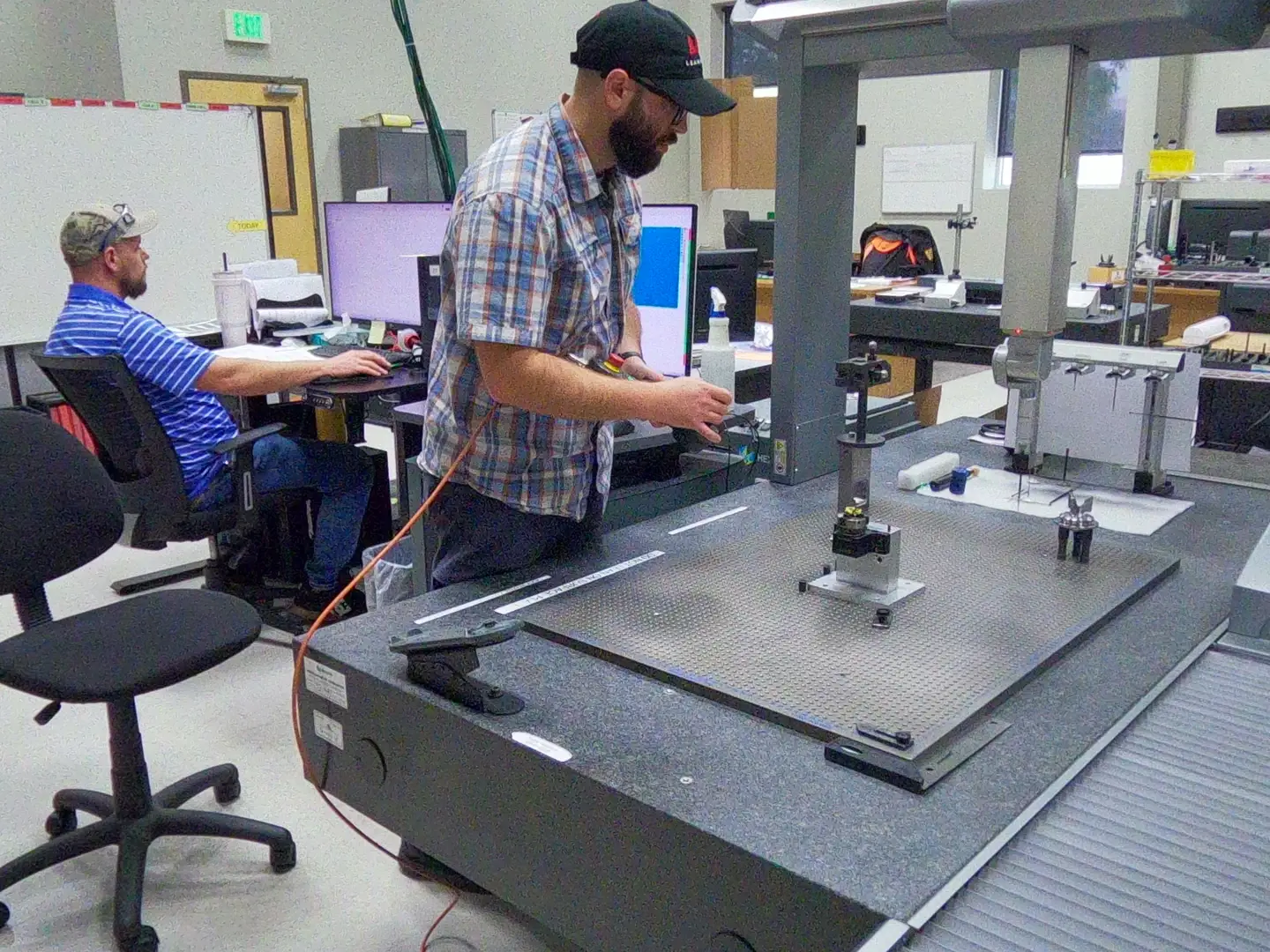
Inspection plays an important role in quality assurance, but the most effective manufacturers focus on preventing defects rather than detecting them after machining. Mission assurance starts during manufacturing planning. Potential sources of variation are evaluated before production begins,
These evaluations allow machining strategies, tooling, fixtures, and quality controls to be developed with consistency in mind. This proactive approach to CNC machining reduces opportunities for process variation during manufacturing while improving first-pass yield and long-term repeatability.
Rather than relying on corrective actions after problems occur, manufacturers committed to mission assurance continually refine their manufacturing processes to prevent issues from developing in the first place. This preventive mindset creates greater confidence for customers managing critical supply chains.
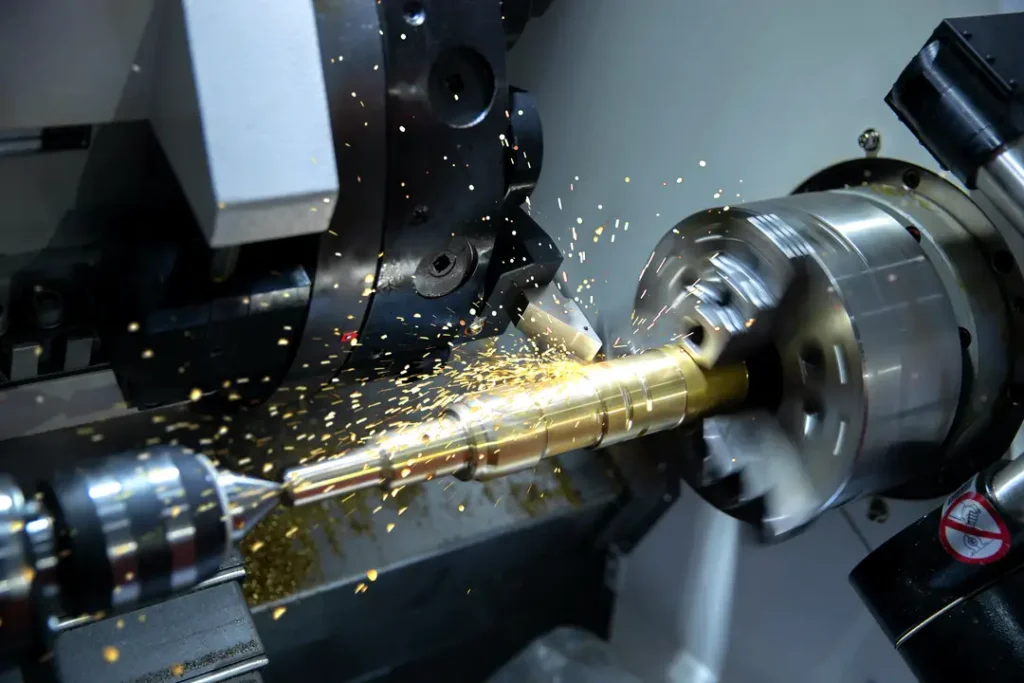
Building Confidence Through Repeatability
Defense and nuclear customers frequently prioritize suppliers capable of supporting recurring production over many years. A supplier may initially win work based on technical capability, but long-term success depends on delivering consistent results across every shipment. Repeatability influences nearly every aspect of supplier performance:
- Stable production schedules
- Predictable quality
- Reliable delivery
- Reduced variability
- Simplified program management
- Lower lifecycle risk
These characteristics become increasingly valuable for organizations managing long-term defense programs and mature product lines where replacement components must match existing specifications without compromise. Manufacturers that invest in engineered CNC machining processes position themselves to support these ongoing requirements with greater confidence and consistency.
Beyond Compliance: A Culture of Continuous Improvement
One of the strengths of AS9100 is its emphasis on continual improvement. Mission assurance extends that philosophy beyond certification by making improvement an everyday manufacturing objective. Production data is reviewed to identify opportunities for tighter process control. Inspection trends help validate manufacturing stability.
Lessons learned from previous production runs improve future process planning. Small improvements made consistently across hundreds or thousands of components can significantly reduce variation over the life of a manufacturing program. This culture encourages teams to continually strengthen process capability instead of simply maintaining compliance.
Choosing a Manufacturing Partner for Mission-Critical Components
Selecting a supplier for nuclear and defense applications involves more than verifying certifications. Organizations should evaluate whether a manufacturer demonstrates:
- Robust quality systems supported by AS9100
- Engineered CNC machining processes focused on consistency
- Complete material and process traceability
- Strong documentation and revision control
- Proven experience supporting recurring production programs
- Disciplined quality planning that emphasizes prevention over correction
These capabilities help ensure components are produced with the consistency required for mission-critical environments where reliability cannot be compromised. Manufacturers that combine certification with disciplined manufacturing processes provide greater confidence throughout the supply chain.
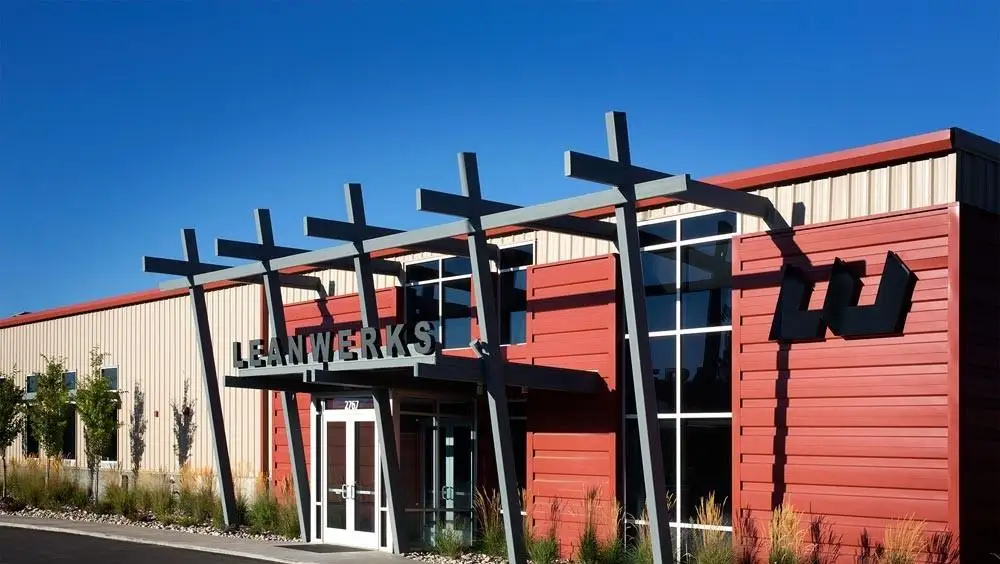
Looking Beyond AS9100
AS9100 certification remains an essential qualification for aerospace, defense, and nuclear manufacturing, but at LeanWerks it is only one part of mission assurance. What truly matters is how we translate quality principles into controlled, repeatable CNC machining processes that deliver reliable results across the life of a program.
We are built to support mature defense programs, certified spare parts, MRO requirements, source-approved work, and long-term production agreements where consistency year after year is critical. That requires more than passing an audit. It requires engineered CNC machining processes, disciplined quality management, comprehensive traceability, and a commitment to continuous improvement in every production run.
When these capabilities work together, AS9100 becomes more than a certification for LeanWerks; it becomes the foundation for manufacturing confidence, supply chain reliability, and true mission assurance for the world’s most demanding aerospace, defense, and nuclear applications.
If you would like to learn more about our team, our AS9100 certification, and whether we’re the right fit for your upcoming and long-term projects, contact us today.