In high-reliability industries, selecting the right machining partner is about far more than finding the lowest quote or the fastest turnaround. Aerospace, defense, nuclear, and other mission-critical manufacturers depend on repeatable quality, strict process control, and dependable delivery to keep production programs moving.
While switching machine shops may seem like the answer when challenges arise, every transition introduces new risks, additional costs, and valuable lost process knowledge. The most successful manufacturers prioritize long-term partnerships with machine shops that understand their production requirements and continuously improve manufacturing processes over time.
In this blog, we’ll explore the hidden costs of switching shops, what to look for in a long-term manufacturing partner, and how stable supplier relationships help reduce risk while supporting dependable, repeatable production for years to come.
Why Switching Machine Shops Often Costs More Than You Expect
Switching machine shops may seem like the quickest solution when production issues arise, but every transition introduces new risks, hidden costs, and lost time. Switching machine shops means a new supplier must learn your documentation, quality requirements, inspection standards, and production expectations before they can consistently deliver repeatable results.
That learning curve can affect schedules, increase administrative work, and create unnecessary variability across production runs. Instead of switching machine shops after every challenge, it’s often more valuable to carefully evaluate a machining partner before awarding production work.
Look for ISO 9001 and AS9100 certifications; experience using Advance Product Quality Planning (APQP), Production Part Approval Process (PPAP), and advanced statistical process control (SPC); documented inspection procedures; material traceability; and comprehensive CNC machining capabilities that include milling, turning, and multitasking.
Just as importantly, choose a partner that follows process-engineered CNC machining practices, applying disciplined process and quality engineering principles to manufacturing for repeatable, high-quality production. Investing time in selecting the right partner from the beginning helps establish a reliable foundation for recurring production requirements and long-term program success.
The Value of Process-Engineered CNC Machining for Long-Term Programs
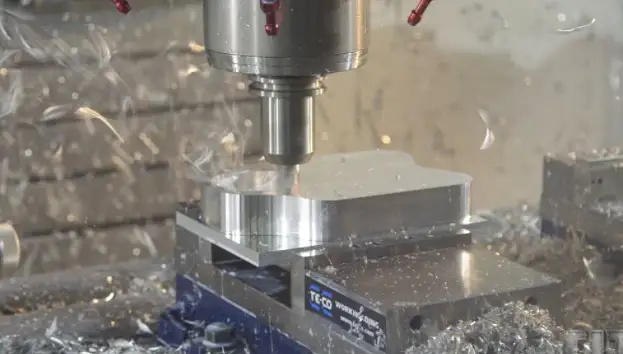
Many companies begin switching machine shops in search of greater stability, but frequent supplier changes often create the very disruptions they hope to avoid. Instead of switching machine shops, successful manufacturers focus on long-term partnerships that deliver repeatable results through disciplined, process-engineered CNC machining.
This approach applies proven process and quality engineering principles to every production run, creating standardized methods that reduce variation while maintaining strict quality requirements. Avoiding switching shops allows a manufacturing partner to build deep familiarity with program requirements, documentation, inspection standards, and production priorities.
That continuity improves forecasting, simplifies scheduling, and reduces unexpected delays. Routine inspections, standardized workflows, and consistent communication help identify issues early before they impact quality or delivery. Rather than switching shops when challenges arise, organizations benefit from strengthening established relationships that improve process control over time.
How Process Knowledge Improves Repeat Manufacturing Performance
For organizations with ongoing production requirements, the goal should be to stop switching machine shops and build a dependable manufacturing partnership. Long-term relationships support mature products; recurring production; Maintenance, Repair and Overhaul (MRO) work; certified spare parts; and other repeat manufacturing programs with consistency and predictability.
Every time you are switching machine shops, valuable production knowledge, established communication, and process familiarity must be rebuilt. A trusted partner develops a thorough understanding of your quality expectations, documentation requirements, and production priorities, making each successive production run more efficient.
As demand increases, established manufacturing processes make it easier to scale while maintaining consistent quality and complete material traceability. Regular inspections, AS9100-compliant quality systems, and disciplined process controls help ensure batch-to-batch consistency.
By avoiding switching machine shops, manufacturers gain the stability, responsiveness, and manufacturing continuity needed to support mission-critical programs for years to come. This continuity also reduces administrative overhead and allows engineering and procurement teams to focus on program performance rather than supplier onboarding.
What to Look for Before Approving a Machine Shop for Production
There are a myriad of reasons why you may find yourself constantly switching machine shops. Before choosing your next partner, there are a variety of qualities you should be looking for in your machine shop partner, including:
- Certifications: Verify that your chosen machine shop has essential ISO 9001 and AS9100 certifications.
- Risk Assessment and Quality Verification Frameworks: Experience applying Advance Product Quality Planning (APQP), Production Part Approval Process (PPAP), and advanced statistical process control (SPC) significantly increases the likelihood that you are working with a shop committed to long term success and reliable quality.
- Inspections: Your machining partner should perform regular inspections of their machines to ensure quality.
- Traceability: Ensure your chosen partner can guarantee strict material traceability and part making processes.
- Capabilities: They should be able to offer CNC machining, milling, and turning to meet your requirements.
- Reliability: Your chosen shop should be able to guarantee clear communication and responsiveness.
While it can be a long process, taking time to choose a new machining partner can help you avoid constantly switching machine shops down the line and ensure you have a reliable team to meet your production needs.
Why Program Success Depends on Consistency and Process Control
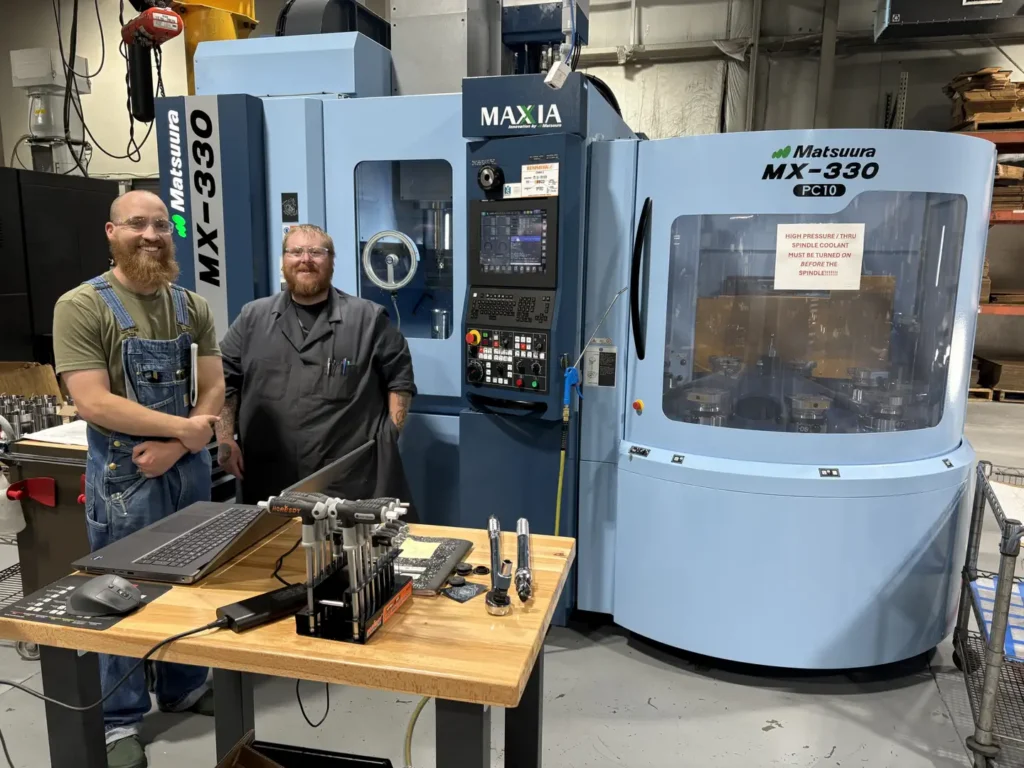
You may find yourself switching machine shops in hope of finding a team that offers stability, predictability, and risk reduction. However, switching machine shops may provide you with the complete opposite. When you work with the same team for your machining needs, you can work toward increased consistency and process control.
Partnering with the same machine shop helps you plan, budget, and forecast for changes in the future. Repeat production runs with reliable partners also reduces the risk of errors. Regular inspections and standard rules can prevent small mistakes from becoming larger failures. This is an essential step of driving long-term growth.
With a repeat partner, you can cut down on waste and make daily work faster. It also becomes easier to scale production runs. Clear, repeat processes allow your team to start quickly without compromising quality. Finally, this consistency and process control helps you build long-term loyalty with your partners and customers.
When you’ve worked so hard to provide high-quality products to your partners and customers, you don’t want to make a single compromise. By working with a team that can guarantee consistency and process control, you are doing everything in your power to protect your reputation and reliability.
How the Right Machining Partner Supports Ongoing Requirements
While the job shop model is incredibly appealing to industries that require low-volume productions, this isn’t the right choice for industries with high standards and zero-failure expectations. Instead of switching machine shops, it’s important to find a reliable long-term machining partner.
When you choose to partner with a reliable machining team, they can provide you with the support you need from the moment you reach out for your first production run. But their support goes beyond this first run. A dedicated machining partner offers several long-term advantages that streamline your manufacturing efforts:
- Capacity and Scaling: Scaling with a trusted partner ensures production continuity and stability. By relying on established engineered processes and cellular manufacturing for part families, you can manage increased volumes effectively, maintaining the strict quality and traceability standards critical for your long-term, high-growth requirements.
- Quality and Process Control: Sticking with the same machine shop ensures your team follows strict ITAR and AS9100 quality standards. These standards, partnered with routine inspections and in-process checks, can help you guarantee batch-to-batch consistency that help you avoid catastrophic errors.
- Communication: When you aren’t regularly switching machine shops, you can work with the same project manager from your initial run to repeat productions. They provide you with clear, prompt updates, and transparent problem-solving that a new partner cannot guarantee.
Make LeanWerks Your Long-Term Project Partner Today
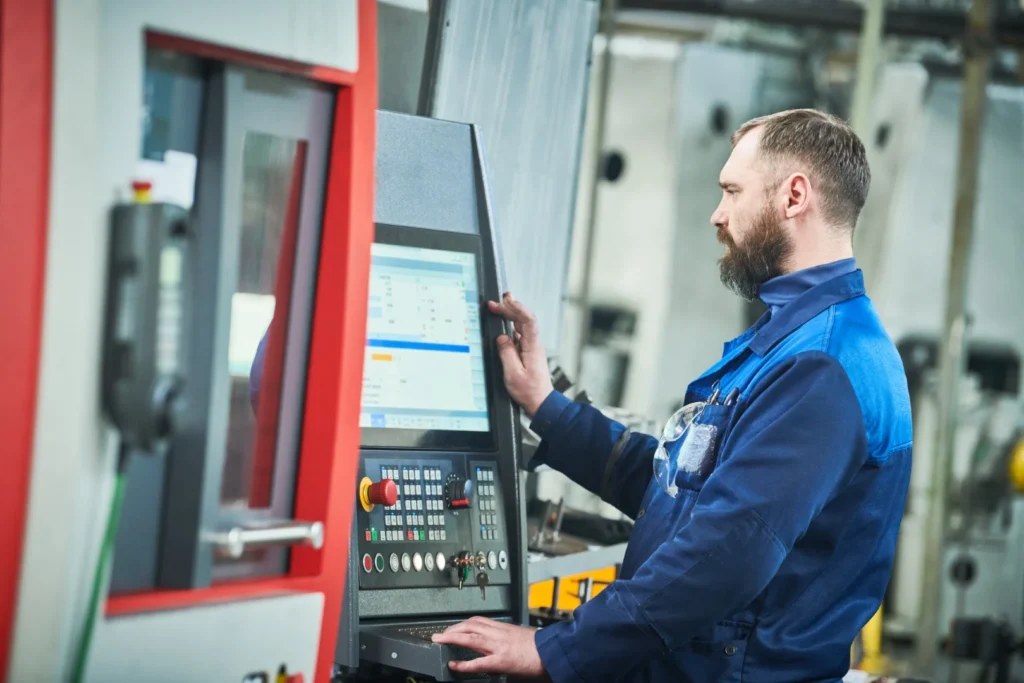
When you work in an industry like nuclear, defense, or aerospace, you cannot risk defects or product deficiencies. Not only will these lead to major project delays, but they can compromise your hard-earned reputation. That’s where we come in. At LeanWerks, our team is committed to delivering exceptional products that meet your needs today and for every future production run.
With over 20 years of experience providing expert machining services across a variety of industries, we’re confident that we’re the ideal partner to meet your every project need. We understand the complexity of working in an industry with zero-failure expectations, and are committed to helping you reach your repeatable, high-quality manufacturing needs. Make your next machining partner your last by choosing LeanWerks
If you would like to schedule a consultation, contact our team today and trust that you’re partnering with the best machining team in the Greater Ogden area.