For aerospace, defense, space, and other mission-critical programs, a long-term agreement should accomplish more than locking in price or reserving machine capacity. Done well, a long-term agreements give both the customer and machining supplier the visibility and commitment needed to build a more reliable, efficient production system.
That distinction matters.
When a precision machining supplier can see demand beyond the next purchase order, it can plan material purchases, reserve capacity, develop dedicated tooling and fixtures, optimize inspection methods, invest in automation, and continuously improve the manufacturing process. The customer benefits from a supply chain designed around anticipated demand rather than one that reacts to each order as it arrives.
The strongest long-term agreements therefore balance two things: customer flexibility and supplier visibility. They establish clear expectations for volumes, forecasts, lead times, pricing, quality, material, engineering changes, and performance while leaving room to respond to the realities of long-term aerospace and defense programs.
Understanding how to structure that relationship can help OEMs and Tier suppliers turn long-term agreements from a purchasing agreement into a long-term manufacturing strategy.
Demand Visibility Creates Production Stability
For mission-critical components, quality and delivery reliability are inseparable. A late component can disrupt an assembly schedule, delay downstream operations, or create costly expediting. Long-term agreements give both parties a framework for planning ahead rather than repeatedly reacting to individual purchase orders.
- Capacity planning: Forecast visibility allows the machining supplier to align machine time, staffing, tooling, inspection resources, and outside processing with anticipated demand.
- Reserved or planned capacity: Defined demand horizons can reduce exposure to capacity constraints during demand spikes, while still allowing the agreement to accommodate reasonable changes in requirements.
- Delivery schedules: Agreed lead times, release mechanisms, and delivery expectations create a more predictable flow of components.
- Performance expectations: Quality, delivery, responsiveness, and change-management expectations can be defined up front and reviewed throughout the agreement.
The objective of long-term agreements is not to eliminate every possible disruption. It is to reduce uncertainty by giving the customer and supplier enough visibility to identify risks earlier and respond before those risks affect production.
Securing Raw Material and Critical Supply Pipelines
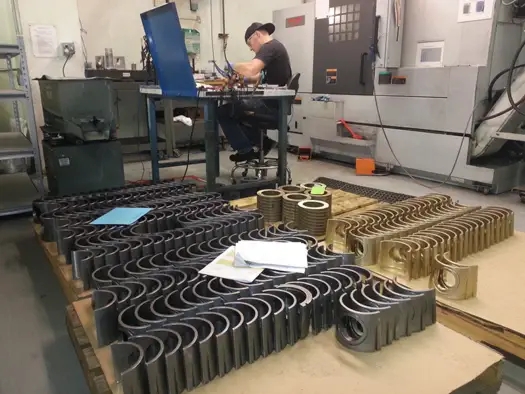
Material availability is an important consideration in aerospace and defense machining, particularly for specialty alloys, controlled material specifications, approved-source requirements, and programs with demanding traceability requirements.
Long-term agreements can provide the demand visibility needed to plan material purchases earlier, negotiate appropriate mill or distributor commitments, account for minimum buys, and establish inventory strategies for critical material. Depending on the program, this may include customer-owned material, supplier-held raw material, safety stock, or scheduled releases tied to forecast demand.
The same planning discipline can extend beyond raw material to heat treatment, coatings, grinding, special processes, and other outside services that may become constraints. The goal is not simply to hold more inventory. It is to identify the parts of the supply chain that present the greatest risk and establish an appropriate strategy for each.
Visibility Enables Investment and Continuous Improvement
One of the most important advantages of well-structured long-term agreements is often overlooked: sustained demand can justify investments that are difficult to make for intermittent purchase orders.
When a machining supplier has confidence in future production requirements, it can engineer a more capable production system around the customer’s parts. Depending on the program, that may include:
- Dedicated fixtures and workholding
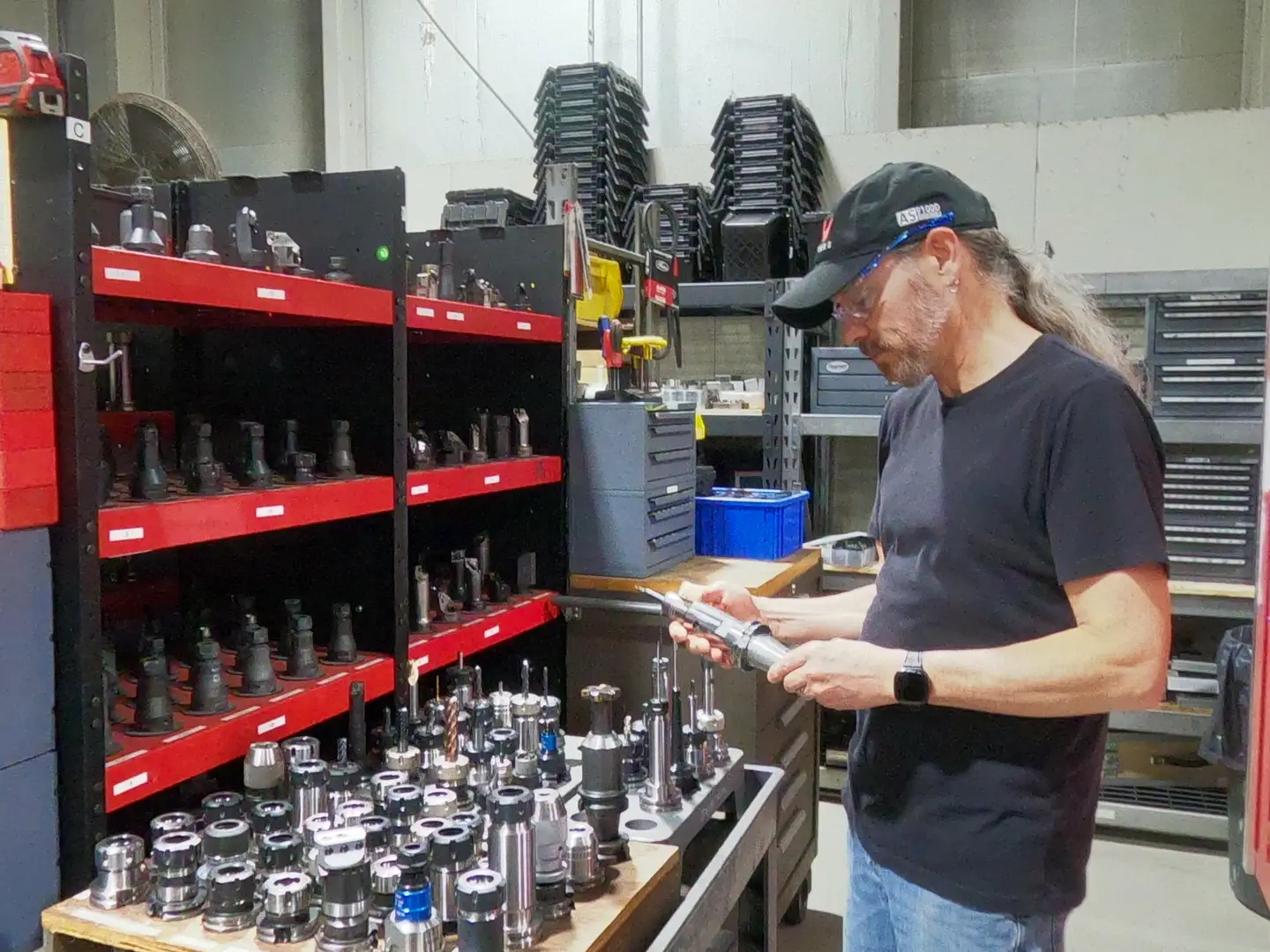
- Standardized tooling and tool-management strategies
- Automation and unattended machining development
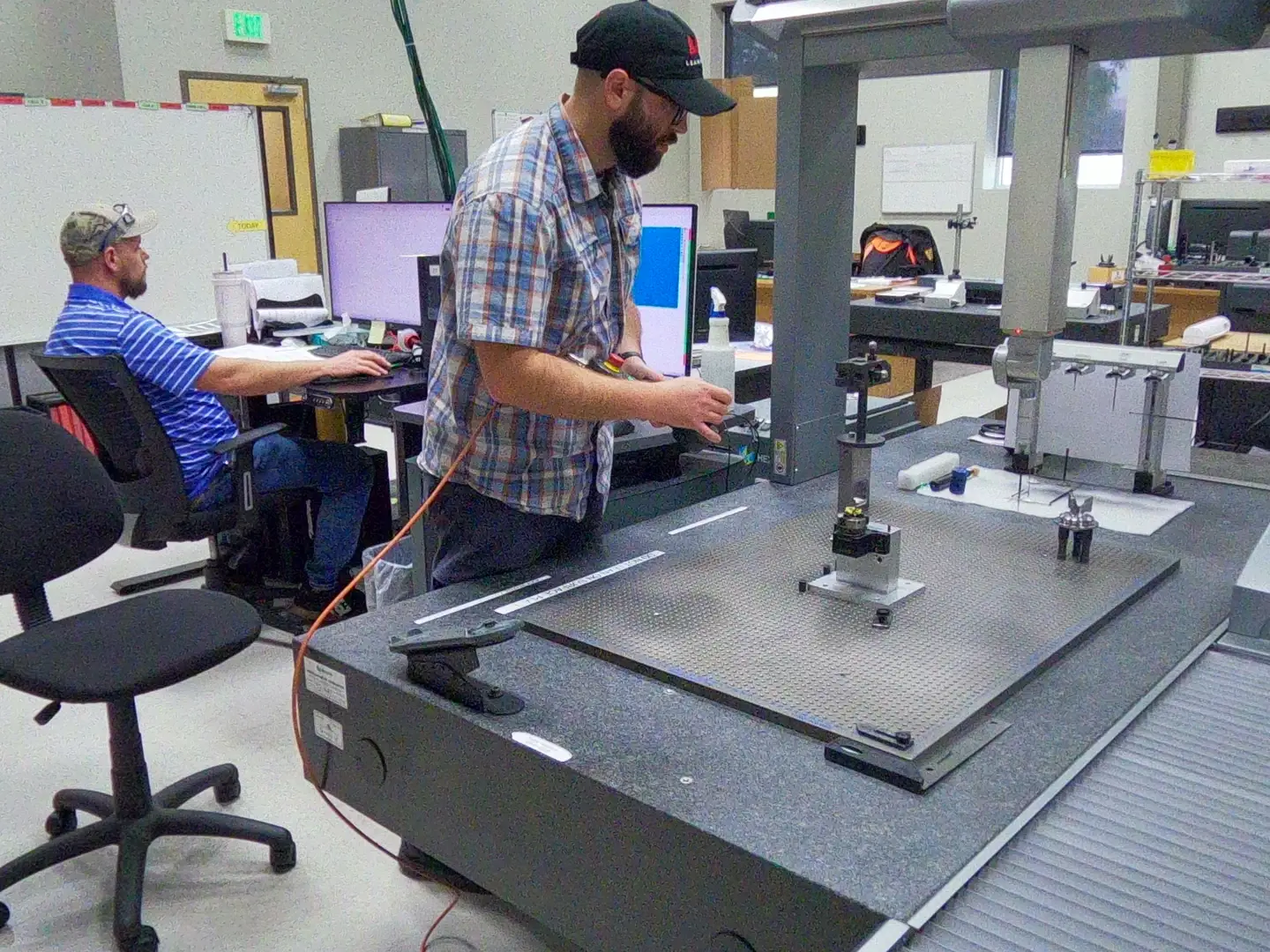
- Dedicated gaging or inspection automation
- Optimized routings and cycle-time reduction
- Program-specific material and work-in-process strategies
- Cross-training and documented manufacturing processes
- Capacity or capital-equipment investments when justified by long-term demand
This creates a reciprocal relationship: the customer’s demand visibility gives the supplier confidence to invest, and those investments can create greater capacity, process consistency, supply-chain resilience, and improved economics for the customer over the life of the program.
Maintaining Cost Efficiency Without Sacrificing Machining Quality
Long-term agreements can also provide greater cost predictability for customers working on multi-year defense, commercial aviation, space, and other recurring programs. Rather than fully re-quoting isolated orders, an LTA can establish a pricing framework tied to expected volumes and defined assumptions.
Predictable demand may allow the machining supplier to purchase more strategically, schedule work more efficiently, reduce repeated setup and launch activity, and improve utilization of equipment and labor. Just as importantly, recurring production creates opportunities for continuous improvement that can reduce total manufacturing cost over time.
Effective agreements should also recognize that long-term manufacturing costs can change. Pricing provisions may include defined review periods or mechanisms for significant changes in material, labor, outside processing, or other agreed cost drivers. This balances cost predictability with the economic realities of a multi-year program.
Building Flexibility Around Changing Production Requirements
A long-term agreement does not need to mean a rigid commitment to identical monthly quantities. Aerospace and defense programs routinely experience changes in schedules, engineering requirements, and customer demand. Strong long-term agreements anticipates that reality.
One useful approach is to establish multiple planning horizons—for example, firm, planned, and forecast demand. Near-term requirements may be firm, the following period may provide planned quantities, and longer-range forecasts can provide visibility for capacity and material decisions without creating an unrealistic fixed commitment.
The specific horizons should be negotiated for the program, but the principle is important: the customer provides enough visibility for the supplier to plan responsibly, while retaining reasonable flexibility as actual demand evolves.
The agreement should also define how changes in quantities, delivery schedules, engineering revisions, specifications, and other requirements will be communicated and managed.
Aligning Capacity With Long-Term Program Needs
For mission-critical machined components, having the right production capacity available can be as important as meeting the dimensional requirements. With clearer visibility into future demand, machining teams can identify potential constraints earlier and make deliberate decisions about equipment, staffing, tooling, inspection, and outside processing.
Regular forecast reviews can connect customer demand directly to shop-floor planning. They also give both parties an opportunity to discuss changing volumes, emerging constraints, improvement opportunities, and potential investments before they become urgent.
For programs with meaningful recurring demand, this shifts the relationship from reactive order fulfillment toward coordinated capacity planning.
Key Considerations When Structuring an LTA for Critical Machined Parts
Before entering long-term agreements, the customer and machining supplier should develop a shared understanding of the program requirements and the responsibilities of each party. Important topics typically include:
- Part specifications and revision control
- Estimated volumes and forecast horizons
- Firm, planned, and forecast release expectations
- Lead times and delivery requirements
- Quality, inspection, and traceability requirements
- Pricing structure and review mechanisms
- Raw-material ownership and inventory responsibility
- Outside-processing requirements
- Engineering and configuration-change procedures
- Capacity expectations and potential investment requirements
- Performance measures and review cadence
Clear expectations do not remove every risk, but they make risks easier to see and manage. The strongest long-term agreements establish a practical operating framework for how the customer and supplier will plan, communicate, measure performance, and respond to change.
Build a Production Strategy, Not Just a Purchase Agreement
At LeanWerks, we view long-term agreements as an opportunity to build a production system around a customer’s long-term requirements.
Greater visibility into future demand allows us to look beyond the next purchase order and ask better questions: What capacity will this program require? Where can dedicated tooling or fixturing improve consistency? Can automation or unattended machining increase available capacity? Should material or critical tooling be held in reserve? Can inspection be moved closer to the manufacturing process? What investments today can reduce cost, lead time, and supply risk over the life of the program?
For recurring aerospace, defense, space, nuclear, and industrial components, those improvements can become increasingly valuable as production continues.
The most effective long-term agreements create mutual commitments: the customer provides meaningful demand visibility, and LeanWerks uses that visibility to plan capacity, strengthen the manufacturing process, and continuously improve program performance.
If you have a recurring family of precision-machined components and are looking for more than transactional purchase-order support, contact LeanWerks. We would be glad to discuss how long-term agreements could be structured around your forecast, production requirements, and long-term program objectives.