In aerospace, defense, nuclear, and other high-reliability industries, selecting the right CNC machining suppliers involves far more than comparing price and lead time. Manufacturers depend on consistent quality, reliable delivery, disciplined process control, and the ability to support recurring production over many years.
Changing machine shops can introduce significant costs and risks. Established manufacturing knowledge must be transferred or recreated, tooling and processes may require redevelopment, and quality approvals can delay production. These challenges make long-term supplier relationships especially valuable.
However, remaining with an underperforming supplier can be even more costly than making a change. Persistent quality problems, unreliable delivery, inadequate capacity, and poor manufacturing processes can threaten production programs and increase total costs over time.
The objective is not simply to avoid switching machine shops. It is to establish manufacturing partnerships built on proven capabilities, engineered processes, and operational systems that deliver dependable results.
Understanding when to retain a supplier, when to make a change, and how to manage that transition can help manufacturers reduce risk and improve long-term production performance.
The Hidden Costs of Switching CNC Machine Shops
Transferring an established production program to a new machining supplier is rarely as simple as sending a drawing and requesting a quotation.
Even when a component’s design is fully documented, the manufacturing knowledge required to produce it efficiently and consistently may have developed over years of production.
Changing CNC machining suppliers can introduce several significant costs.
Manufacturing Process Development
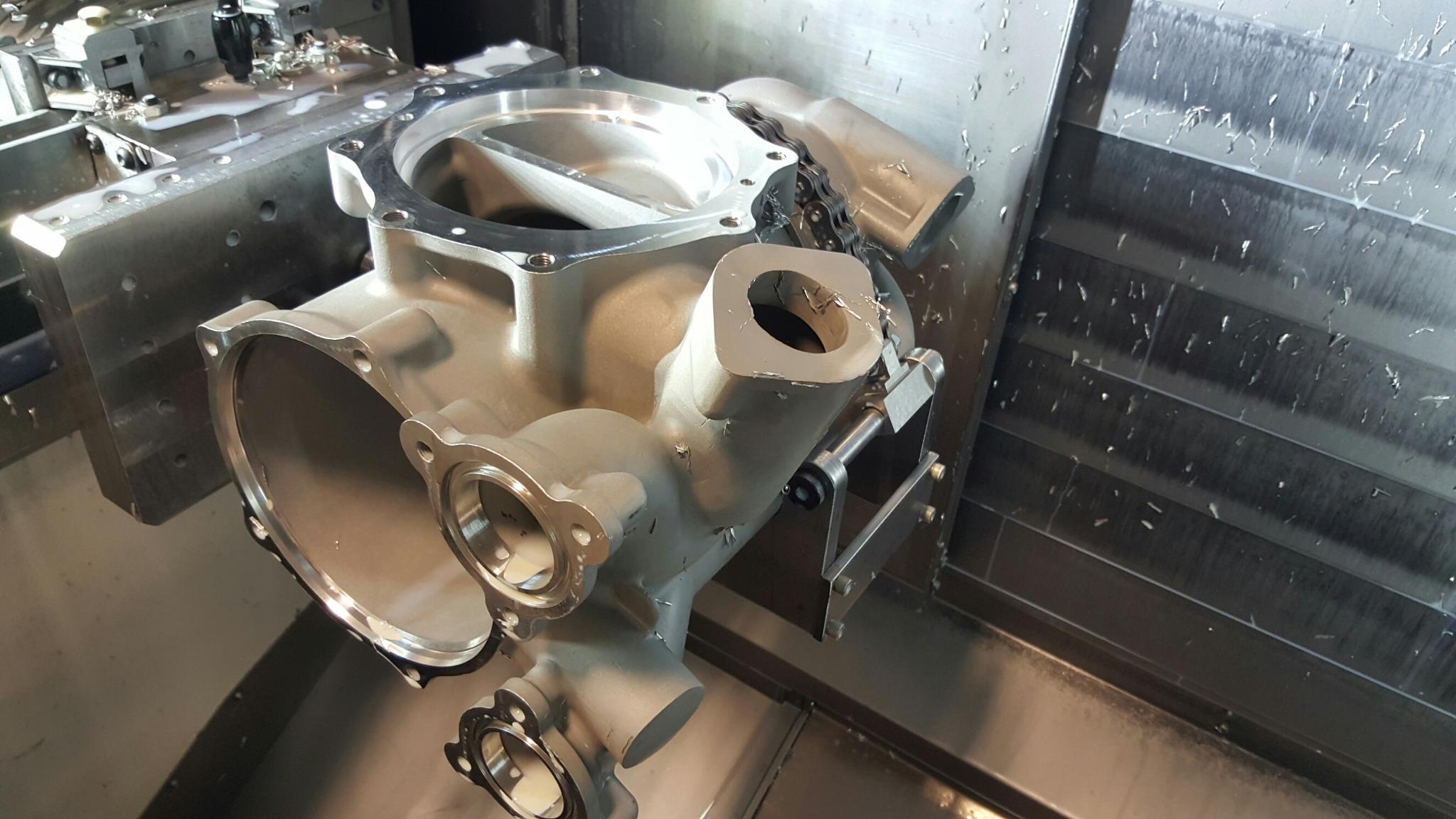
A new supplier must determine how to manufacture the component using its equipment, tooling, fixturing, programming methods, and production resources.
This may require new CNC programs, workholding fixtures, cutting tools, inspection methods, and manufacturing instructions.
For complex precision-machined components, process development can represent a substantial investment in engineering time and production resources.
Qualification and Validation
In regulated industries, changing suppliers may require first article inspections, customer approvals, process validation, or additional qualification activities.
Depending on the component and customer requirements, these activities may involve AS9102 first article inspection, Production Part Approval Process (PPAP) documentation, capability studies, and other quality verification requirements.
Until these activities are completed, the new supplier may not be authorized to support regular production.
Lost Manufacturing Knowledge
Experienced machining suppliers accumulate valuable knowledge about recurring production programs.
This includes an understanding of critical features, material behavior, tool life, process variation, inspection challenges, and opportunities for continuous improvement.
When production moves to a different shop, much of this knowledge must be transferred or developed again.
The more complex the component and the more mature the existing manufacturing process, the greater the potential cost of rebuilding that knowledge.
Production Disruption and Inventory Requirements
Supplier transitions can create gaps between the final deliveries from an existing supplier and the beginning of reliable production at a new facility.
Manufacturers may need to build additional inventory, maintain overlapping suppliers, or adjust production schedules to protect customer deliveries.
These transition costs are often overlooked when comparing machining quotations.
Administrative and Supply Chain Costs
Qualifying a new machine shop requires coordination among purchasing, engineering, supplier quality, production planning, and other functions.
Supplier audits, contract reviews, documentation transfers, quality approvals, and ongoing performance monitoring all consume organizational resources.
These activities may be necessary, but they should be considered when evaluating the total cost of changing suppliers.
When Is the Right Time to Switch Machine Shops?
Although long-term supplier relationships offer important advantages, remaining with an underperforming machining partner can create greater costs and risks than making a change.
A supplier relationship should be evaluated on its ability to consistently meet manufacturing requirements, respond to problems, and improve performance over time.
Several conditions may justify evaluating and qualifying a new CNC machining supplier.
Recurring Quality Problems
Repeated nonconformances, inadequate root-cause analysis, ineffective corrective actions, or inconsistent process capability may indicate that a supplier lacks the systems necessary to reliably manufacture critical components.
Occasional problems can occur even in well-managed manufacturing operations. The more important distinction is how effectively the supplier identifies, contains, investigates, and prevents recurring problems.
A supplier that consistently resolves problems and improves its processes may be worth retaining. A supplier that repeatedly experiences the same failures without meaningful improvement presents a different level of risk.
Unreliable Delivery Performance
Persistent missed commitments, unpredictable lead times, or inadequate capacity planning can threaten production schedules and customer relationships.
Delivery problems may result from insufficient equipment capacity, poor scheduling practices, labor constraints, or ineffective production management.
When a supplier cannot demonstrate a credible plan to restore dependable delivery, qualifying an alternative source may be necessary.
Inadequate Manufacturing Capabilities
Manufacturing requirements evolve.
Changes in component complexity, production volume, tolerances, materials, or technical specifications may exceed a supplier’s existing equipment or engineering capabilities.
A machine shop that performed well during initial production may not be equipped to support a program as it grows or becomes more demanding.
Lack of Process Control and Documentation
For recurring precision-machined components, reliable production should not depend exclusively on the knowledge and experience of individual machinists.
Controlled CNC programs, documented setup instructions, validated manufacturing processes, inspection plans, and effective quality management systems help ensure that production results remain consistent across operators, shifts, and production runs.
Suppliers that lack these systems may introduce unnecessary variability and risk.
Poor Communication and Responsiveness
Effective supplier relationships depend on timely communication, transparency, and a willingness to collaborate.
When manufacturing problems occur, customers need accurate information, realistic recovery plans, and evidence that corrective actions are being implemented.
A supplier’s unwillingness or inability to communicate and resolve problems can undermine even an otherwise capable manufacturing operation.
Uncompetitive Total Cost
A supplier may meet quality and delivery requirements but remain uncompetitive because of inefficient manufacturing processes, excessive lead times, or an inability to invest in productivity improvements.
Price increases alone do not necessarily justify changing suppliers. However, a persistent inability to remain competitive on total manufacturing cost may warrant evaluating alternatives.
The goal is not to find a machine shop that never experiences problems. It is to find one with the capabilities, discipline, and systems to solve problems effectively and consistently improve performance.
Evaluating the Cost of Staying Versus the Cost of Switching
A supplier change should be based on more than the difference between two quoted piece prices.
Manufacturers should evaluate the total cost and risk of maintaining the existing relationship against the investment required to establish a new one.
The cost of remaining with an underperforming supplier may include:
- Scrap, rework, and quality-related disruptions.
- Expediting, excess inventory, and missed delivery commitments.
- Additional engineering, purchasing, and supplier quality intervention.
- Lost production opportunities caused by inadequate capacity.
- Higher manufacturing costs resulting from inefficient processes.
- Increased operational risk and reduced confidence in future deliveries.
These ongoing costs should be compared against the one-time and transitional costs of moving production to a new supplier.
For example, a lower piece price may not justify switching suppliers if substantial tooling, qualification, and inventory investments are required. Conversely, a supplier with a slightly higher quoted price may provide a lower total cost through better quality, dependable delivery, and more efficient manufacturing processes.
When an existing supplier consistently fails to meet requirements and demonstrates limited ability to improve, transitioning to a more capable manufacturing partner may be the lower-risk, lower-cost decision.
What to Look for in a Long-Term CNC Machining Partner
Choosing the right machining supplier begins with understanding the capabilities and systems required to support the entire production program—not simply the initial purchase order.
For aerospace, defense, nuclear, and other high-reliability applications, several factors deserve particular attention.
Quality Management and Industry Requirements
Verify that the supplier maintains the certifications, approvals, and compliance systems appropriate for the work.
Depending on the industry and customer requirements, these may include ISO 9001, AS9100, applicable export control requirements such as ITAR, material traceability, and customer-specific quality standards.
Certifications provide important evidence of established management systems, but they should be supported by demonstrated manufacturing performance.
Manufacturing and Process Engineering Capabilities
Evaluate the supplier’s ability to develop robust manufacturing processes rather than simply produce acceptable parts during an initial run.
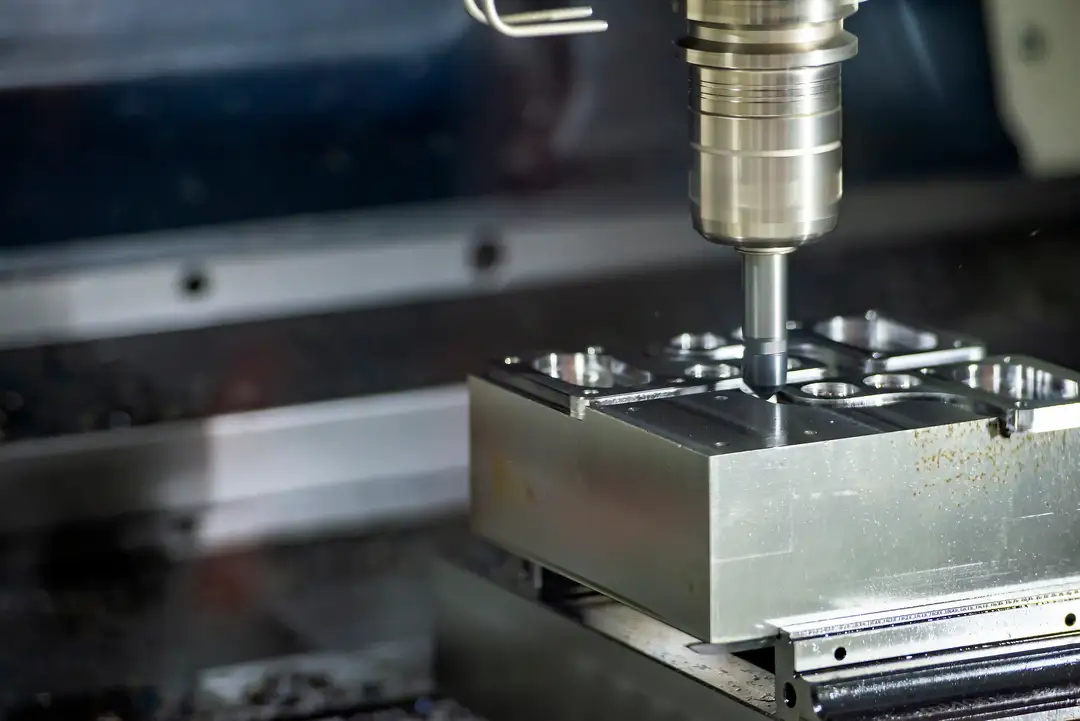
Advanced CNC milling, turning, multitasking, automation, and engineered workholding can support efficient and repeatable manufacturing.
Equally important are the engineering resources needed to develop, validate, document, and continuously improve production processes.
Process Control and Repeatability
Reliable recurring production requires more than inspecting finished components.
A capable supplier should use appropriate process controls to prevent defects, manage variation, and maintain consistent results.
Depending on the application, these may include:
- Controlled CNC programs and documented setup instructions.
- Defined inspection plans and in-process verification.
- Tool management and preventive maintenance systems.
- Statistical Process Control (SPC) and process capability analysis.
- Advanced Product Quality Planning (APQP) and PPAP methodologies where applicable.
- Documented corrective action and continuous improvement processes.
These systems reduce dependence on individual expertise and help ensure repeatable manufacturing performance.
Capacity and Production Planning
A supplier should demonstrate the equipment capacity, staffing, scheduling systems, and operational flexibility needed to support current requirements and anticipated growth.
This is particularly important for recurring production programs where changes in demand can affect delivery performance.
Communication and Accountability
Strong manufacturing partners communicate openly about production status, quality concerns, capacity constraints, and opportunities for improvement.
They take ownership of problems, establish effective corrective actions, and work collaboratively with customers to achieve program objectives.
A supplier’s response when something goes wrong often reveals more about its long-term reliability than its performance when everything is going according to plan.
Why Process-Engineered CNC Machining Matters
One of the most important distinctions among CNC machining suppliers is the degree to which their manufacturing processes are engineered, documented, and controlled.
Traditional job-shop operations often depend heavily on the skills and experience of individual machinists to determine how parts are manufactured.
Skilled machinists are essential to precision manufacturing. However, relying on individual expertise without capturing and standardizing that knowledge can create challenges for recurring production.
Process-engineered CNC machining combines skilled people with disciplined engineering methods and repeatable manufacturing systems.
Rather than treating each production run as a new project, the supplier develops and maintains a controlled manufacturing process that can be executed consistently.
This approach typically includes documented setup and run instructions, controlled CNC programs, standardized tooling, defined inspection requirements, and continuous monitoring of manufacturing performance.
For recurring aerospace, defense, and other high-reliability components, these systems can deliver important advantages:
- Reduced process variation and improved quality consistency.
- More predictable production costs and lead times.
- Faster, more reliable setups and production restarts.
- Reduced dependence on specific individuals.
- Improved opportunities for automation and unattended machining.
- Greater capacity to support recurring production and future growth.
Over time, production experience can be used to refine these processes, improve efficiency, and reduce manufacturing risk.
This is where long-term supplier relationships create their greatest value.
The benefit is not simply that the same machine shop has manufactured a component for many years. It is that the supplier has used those years to develop, control, and continuously improve the manufacturing process.
How to Reduce Risk When Transferring Production to a New Machine Shop
When a supplier change is necessary, a structured transition process can help minimize disruption and establish a reliable foundation for future production.
1. Review Technical and Quality Requirements
Begin with a thorough review of drawings, specifications, materials, production volumes, quality requirements, and existing manufacturing history.
Identify critical features, special processes, customer approvals, and potential manufacturing risks before committing to a production schedule.
2. Assess Manufacturing Feasibility and Capacity
The prospective supplier should evaluate its equipment, engineering resources, tooling requirements, and production capacity.
Potential manufacturing challenges should be identified early, along with a realistic plan for process development and qualification.
3. Develop and Document the Manufacturing Process
CNC programs, tooling, fixtures, setup instructions, and inspection plans should be developed using disciplined engineering methods.
Documenting these elements helps establish a repeatable process that can support production beyond the initial qualification run.
4. Validate the Process and Complete Required Approvals
Initial production should demonstrate that the process can consistently meet dimensional, material, and quality requirements.
Depending on the application, validation may include first article inspection, capability studies, PPAP documentation, or customer-specific approvals.
5. Establish Production Readiness
Before transitioning recurring production volumes, confirm that tooling, materials, equipment capacity, trained personnel, and quality controls are in place.
Production readiness should include the ability to meet delivery commitments repeatedly, not merely the ability to produce an acceptable first article.
6. Manage the Transition and Monitor Performance
Where practical, maintain appropriate inventory or overlapping production capacity during the transition.
Establish clear communication, monitor early production performance, and address emerging issues before they affect customer deliveries.
A disciplined supplier transition may require additional planning and investment, but it can substantially reduce the risk of future manufacturing disruptions.
The Long-Term Value of a Reliable Manufacturing Partnership
When a machining supplier combines proven technical capabilities with disciplined process control and dependable execution, long-term relationships can create substantial value for both organizations.
Established manufacturing processes become more efficient through accumulated production experience. Engineering teams gain familiarity with component requirements, while purchasing and production planning teams benefit from more predictable performance.
Continuous improvement can reduce cycle times, extend tool life, improve quality, and create opportunities for automation.
A capable supplier can also collaborate with customers on design for manufacturability, capacity planning, cost reduction, and future production requirements.
These advantages are especially valuable for mature products, recurring production programs, certified spare parts, and other applications requiring consistent performance over extended periods.
However, long-term partnerships should never be taken for granted.
They must be supported by ongoing investment, measurable performance, transparent communication, and a shared commitment to improvement.
Supplier loyalty should be the result of consistently demonstrated value—not the difficulty of making a change.
Frequently Asked Questions About Changing CNC Machining Suppliers
When should a manufacturer consider changing machine shops?
A manufacturer should consider evaluating alternative suppliers when recurring quality problems, unreliable delivery, inadequate capabilities, poor communication, or uncompetitive total costs create unacceptable business risks. The decision should consider both the supplier’s current performance and its demonstrated ability to improve.
What are the biggest hidden costs of switching CNC machining suppliers?
Common costs include process engineering, new tooling and fixtures, CNC programming, first article inspections, customer approvals, production validation, additional inventory, and administrative resources. These costs vary significantly with component complexity and qualification requirements.
How long does it take to transfer production to a new machine shop?
The timeline depends on component complexity, tooling requirements, material availability, production capacity, and applicable customer qualification requirements. Simple components may transition relatively quickly, while complex aerospace or other highly regulated components may require extended process development and approval periods.
How can manufacturers reduce the risks of changing machining suppliers?
A structured transition plan should include technical review, manufacturing feasibility assessment, process development, qualification, production readiness verification, and ongoing performance monitoring. Appropriate inventory planning and coordination between the existing and new suppliers can further reduce disruption.
What makes a CNC machine shop a reliable long-term manufacturing partner?
Reliable partners combine capable equipment and skilled personnel with documented manufacturing processes, disciplined quality management, effective production planning, transparent communication, and a commitment to continuous improvement. These systems support consistent performance as production requirements evolve.

Choose a CNC Machining Partner Built for Long-Term Performance
For manufacturers in aerospace, defense, nuclear, and other demanding industries, changing machining suppliers is an important decision with long-term consequences.
The right supplier should offer more than competitive pricing and the ability to produce an acceptable first article. It should demonstrate the engineering capabilities, process controls, quality systems, and operational discipline necessary to support reliable recurring production.
At LeanWerks, we believe dependable manufacturing performance is built through process engineering, disciplined execution, and continuous improvement.
With more than 20 years of precision machining experience, advanced CNC manufacturing capabilities, and an AS9100-certified quality management system, LeanWerks supports customers who require high-quality, repeatable production for demanding applications.
Whether you are evaluating a new production program, addressing problems with an existing supplier, or considering a transition to a more capable manufacturing partner, our team welcomes the opportunity to review your requirements.
The right long-term manufacturing partner doesn’t simply ask for your business. It builds the capabilities and systems necessary to earn it—production run after production run.
Contact LeanWerks to discuss your CNC machining requirements and explore how a process-engineered manufacturing approach can support your production goals.